Spec the seat, not the department
The most common mistake in a public safety hardware buy is picking one laptop and issuing it to everyone. A patrol vehicle, a detective's desk, a dispatch console and a chief's briefing bag are four genuinely different jobs, and the machine that is right for one is wasted or inadequate in another. Sort the department into seats first, then spec each one.
Four seats cover most agencies: in-vehicle and field, investigations and records, dispatch and fixed terminals, and command and administrative staff. A fifth — video forensics or a real-time crime center — shows up once an agency starts pulling in camera feeds at volume.
The in-vehicle seat is the hardest one
Everything difficult about public safety hardware lives in the patrol car. The machine is mounted, jostled, baked in a closed vehicle in July, run on vehicle power that cycles, and read in direct sun.
Durability. HP publishes MIL-STD-810 testing for much of its commercial notebook line — drop, vibration, temperature, humidity and similar tests. Read that as HP's testing methodology rather than a warranty against damage, and confirm what was actually tested on the specific model and configuration you are buying, because coverage varies across the range. If a vehicle-mounted machine is going to take real abuse, price accidental damage coverage alongside the standard warranty; the claims agencies actually file are drops and liquid, not component failures.
Screen readability. This is the spec officers complain about most and buyers check least. A panel that looks fine in a station hallway can be unusable through a windshield at noon. Ask for the brightness rating, ask whether an anti-glare or outdoor-viewable panel option exists on that model, and if the department uses touch input, confirm behavior with gloves before you commit to a fleet.
Mounting and docking. The dock decides the deployment. Vehicle mounting hardware comes from third-party mount vendors, and their brackets are built around specific chassis dimensions and port layouts. Before you standardize on a model, confirm the mount and vehicle dock you intend to use are actually available for that exact chassis — not for last year's version of it. Getting this wrong is how a department ends up with fifty laptops and no way to install them.
Battery through a full shift. Vehicle power covers most of a patrol shift, but the battery has to carry the gaps: walking a scene, sitting in court, working a call away from the car. Spec for the longest realistic shift the department runs, including overtime, and test with the actual software load — a machine running a CAD client, a records application and a VPN all day behaves nothing like a spec-sheet battery figure.
Connectivity. If the machine needs cellular, the WWAN module has to match the carrier and bands the department actually uses. Confirm the module option and carrier certification per model at quote time rather than assuming a family-wide capability.
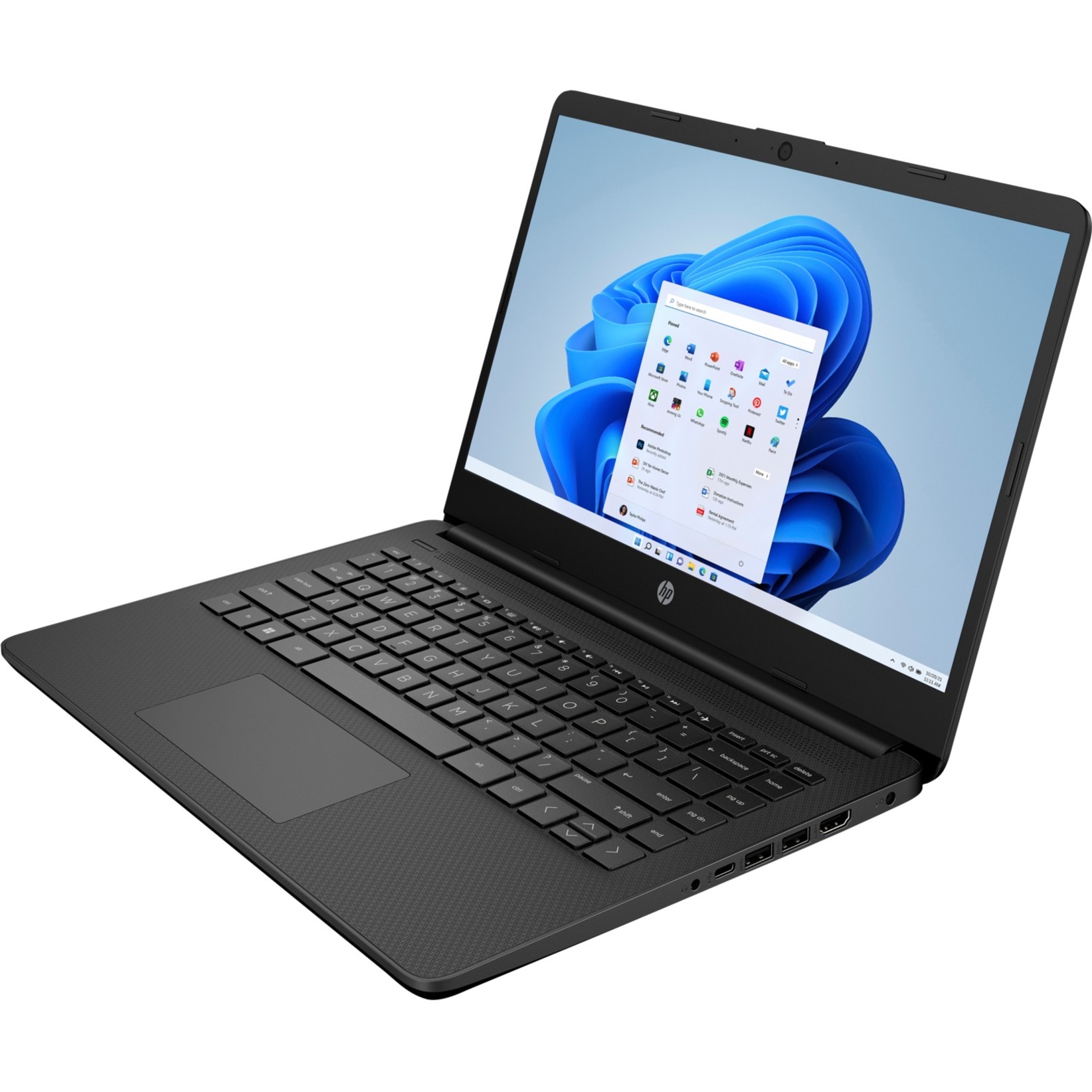
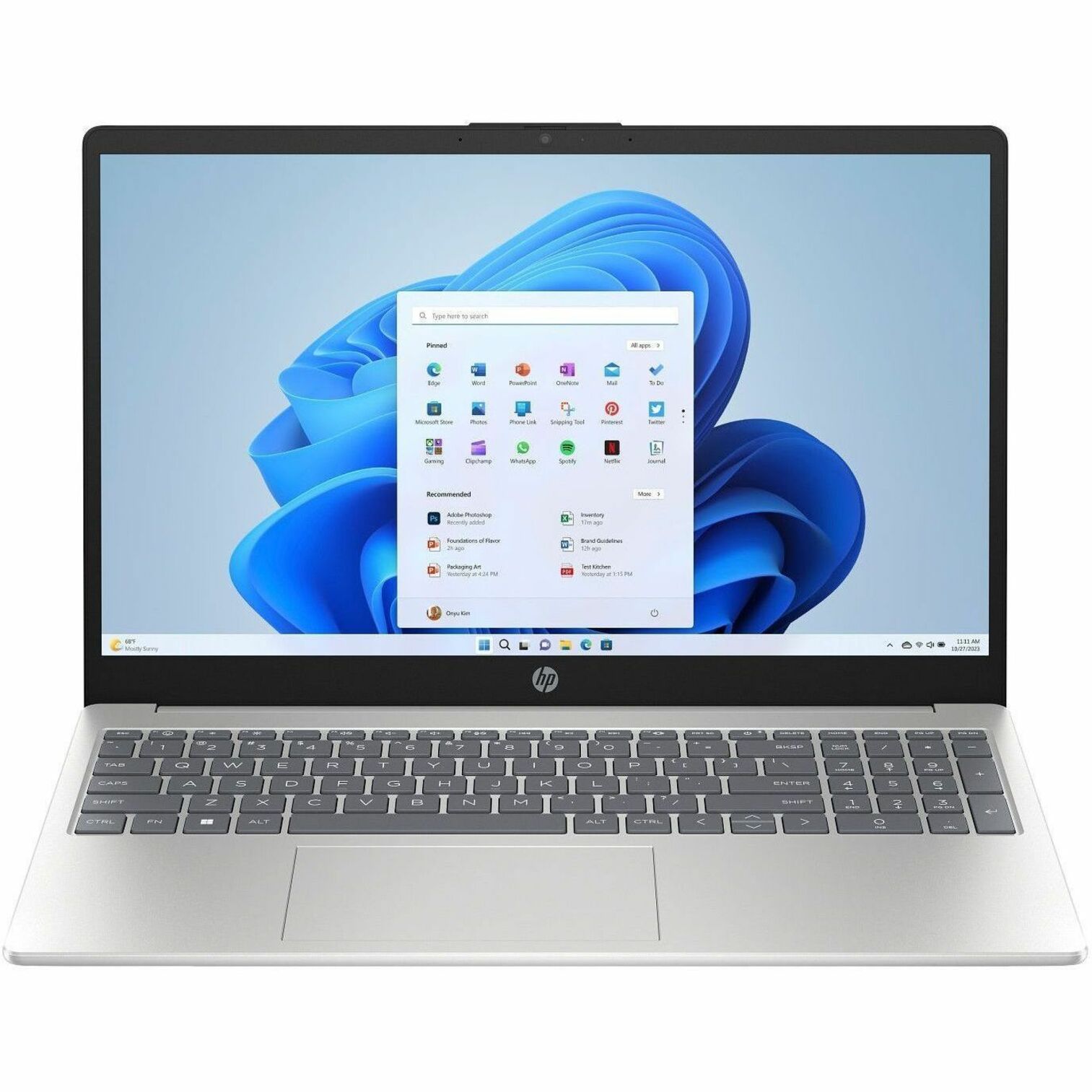
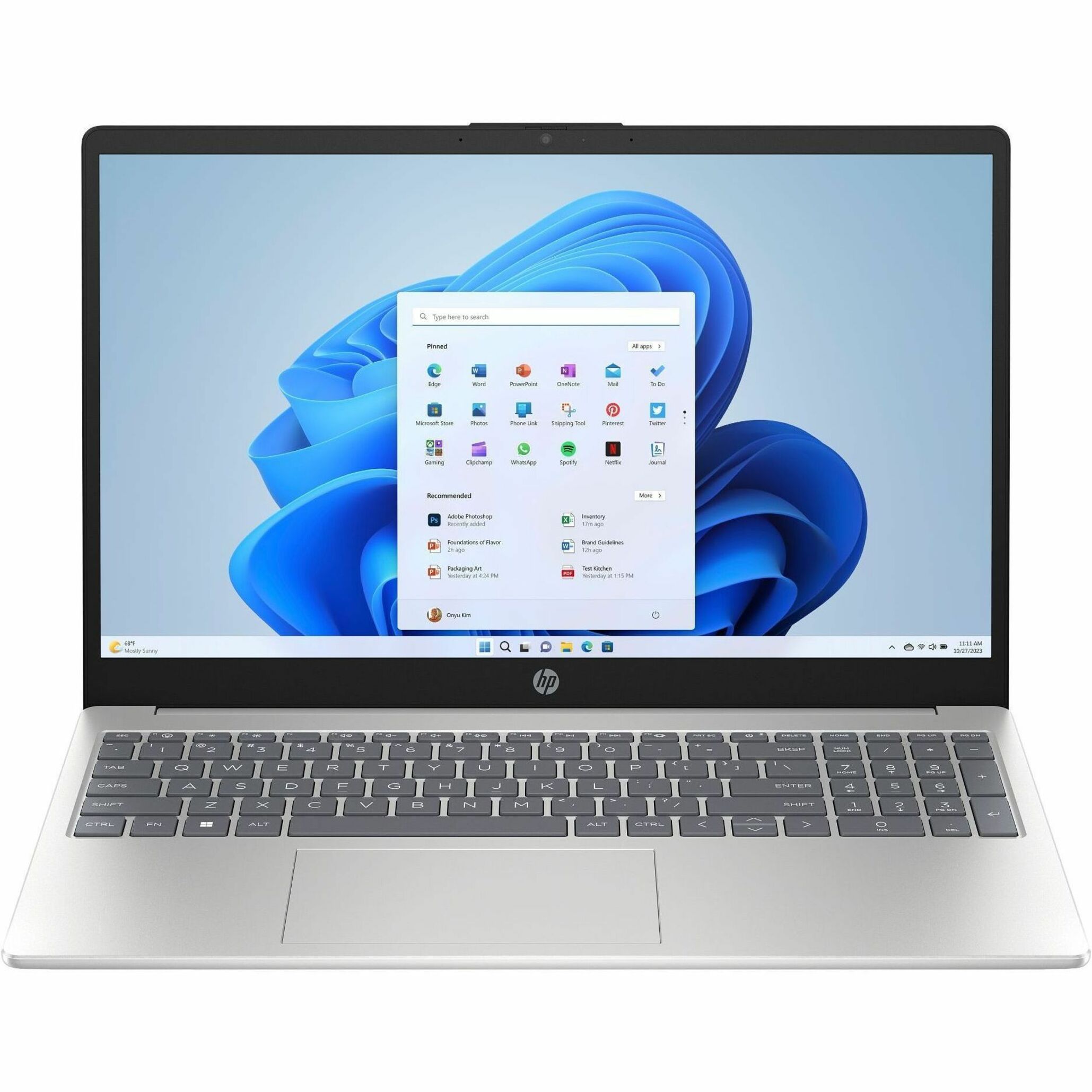
You can compare current HP EliteBook and ProBook notebooks side by side while you settle the in-vehicle standard.
Investigations, command staff and administrative seats
Detectives and command staff are closer to a standard business fleet, with two differences. Investigators handle case media — photos, video exports, interview recordings — so memory and storage matter more than they do for a general office user, and screen quality matters for reviewing that media. Command staff move between briefings, city hall and the field, so weight, battery and a docking standard matter more than raw performance.
Tiering honestly across HP's commercial lines: EliteBook is the right call for seats carrying sensitive case material, for heavy travelers, and for anywhere the cost of downtime is high — it carries the fullest security and manageability feature set and the more refined build. ProBook is the smart buy for administrative staff, shared machines, and roles where the elevated feature set will never be exercised. Most agencies are better served by two well-defined tiers than by one compromise model issued to everybody.
Where a Z workstation belongs, and where a thin client does
A mobile or desktop workstation is not a luxury tier of laptop — it is a different category with a specific job. In a public safety agency that job is video: pulling in multiple camera streams, transcoding and enhancing evidence video, running photogrammetry or mapping work, or standing up a real-time crime center wall. Those seats are bound by GPU capability, memory and storage throughput, so look at HP Z desktops and ZBook mobile workstations for forensic video, GIS and analytic work.
At the other end, dispatch floors and records terminals are often better served by thin clients than by full PCs — a fixed application set, shared across shifts, on an endpoint that holds no local data and can be swapped in five minutes. If that pattern fits your dispatch center, our thin client lineup guide walks through which models fit which role.
Security posture, and an honest word on CJIS
Access control, encryption and auditing requirements for systems touching criminal justice information are set by the CJIS Security Policy and enforced through your state CJIS Systems Agency and your own department policy. We are a hardware reseller: we do not certify any device as CJIS compliant, and nobody selling you a laptop can. Compliance is a property of your configuration, your policy and your audit, not of a part number.
What we can do is confirm, per line and in writing at quote time, what a specific configuration includes so your security officer can map it against the policy. The attributes usually worth confirming:
- TPM version and whether the platform supports the drive encryption method your policy requires
- Whether a validated cryptographic module is claimed for the specific configuration, since these claims are module- and version-specific
- Available advanced authentication options — smart card readers, fingerprint sensors, IR cameras — and whether they satisfy your policy's multi-factor requirement
- BIOS and firmware protection features, which on HP commercial machines are HP capabilities such as Sure Start and the Wolf Security feature set, delivered by HP rather than by us
- Remote manageability, so a small IT shop can push firmware and policy without touching every vehicle
Section 889 and TAA representations are likewise configuration- and order-specific — put them in the requirement at the first quote request and we will confirm them per line.
Manageability when the IT shop is three people
Most departments do not have a large IT staff, and the hardware decision should respect that. Keep the number of standard configurations small — ideally one in-vehicle build, one administrative build, and one high-performance build. Match warranty terms across the fleet so renewals happen once. Keep a small spares pool so a failed in-vehicle unit is a swap, not a procurement action. And standardize the dock, because the alternative is a drawer full of adapters and a support ticket every time someone changes vehicles.
How departments actually buy this
For municipal and county agencies, most of these buys move on a department or municipal purchase order, or on a purchase card for smaller orders. Federal law enforcement offices typically use the Government Purchase Card for micro-purchases and simplified acquisition under FAR Part 13 for larger requirements, with standard FAR purchase orders above that. Thresholds are defined in the FAR and adjusted periodically for inflation, so confirm current figures rather than working from memory.
Uniqcli holds no contract vehicles. We transact on the Government Purchase Card, simplified acquisition and FAR purchase orders, we respond to GSA eBuy quote requests, and we invoice through WAWF in PIEE. The GSA MAS application is underway. If your agency must place the order on a vehicle we are not on, we will say so at the first conversation.
One thing that does change the math: qualifying orders of $2,500 or more take at least 5% off our quoted pricing under our first responder and law enforcement program, with fleet-scale orders quoted deeper. Verification is a department email address or a confirmation of your role — no portal, no codes. It applies to agency purchases and to personal purchases by verified first responders.
A short spec sheet to hand a vendor
- The seat each configuration serves
- Panel brightness and outdoor-viewability requirement for in-vehicle units
- The exact vehicle mount and dock the department will install
- Realistic shift length the battery must cover, under actual software load
- Carrier, bands and WWAN module if the machine needs cellular
- Encryption, authentication and audit requirements straight from your policy
- Warranty term, on-site response level, and whether accidental damage is included
- Quantities by seat, and the target delivery window
Tell us the seats, the vehicle platform and the software your officers actually run, and we will come back with a real configuration per seat rather than a category — with warranty, mounting-compatible docking and per-line compliance confirmation included. Request a public safety quote.
Frequently asked questions
What should we look for in a laptop for patrol vehicles?
Prioritize four things over raw performance: a panel bright enough to read through a windshield, confirmed availability of the vehicle mount and dock for that exact chassis, battery that covers your longest realistic shift under actual software load, and durability testing on the specific model. HP publishes MIL-STD-810 testing for much of its commercial notebook line, but coverage varies by model, so confirm what was tested on the configuration you are buying and price accidental damage coverage alongside it.
Are HP EliteBooks CJIS compliant?
No laptop is CJIS compliant on its own, and no reseller can certify one. The CJIS Security Policy sets access-control, encryption and auditing requirements that your department and your state CJIS Systems Agency enforce against your configuration and your policy. What we can do is confirm in writing what a specific build includes — TPM version, drive encryption support, available advanced authentication options — so your security officer can map it against the policy requirements.
When does a police department need a workstation instead of a laptop?
When the work is video. Forensic video enhancement, multi-stream review, photogrammetry, large GIS analysis and real-time crime center operations are bound by GPU capability, memory and storage throughput, and a general-purpose notebook makes an analyst wait all day. Those seats belong on an HP Z desktop or a ZBook mobile workstation. Everything else in the department is better served by a standard notebook tier.
Do thin clients make sense for a dispatch center?
Often, yes. Dispatch consoles run a fixed application set, are shared across shifts, and benefit from an endpoint that holds no local data and can be swapped in minutes rather than reimaged. The same logic applies to records terminals and front-counter machines. If dispatch runs specialized local software or heavy multi-monitor mapping, validate it against a thin client before standardizing.
How do police departments buy this hardware, and is there a discount?
Municipal and county agencies usually buy on a department or municipal purchase order, or on a purchase card for smaller orders. Federal law enforcement offices typically use the Government Purchase Card for micro-purchases and simplified acquisition under FAR Part 13 above that. Uniqcli holds no contract vehicles; we transact on GPC, simplified acquisition, FAR purchase orders, GSA eBuy responses and WAWF invoicing. Qualifying orders of $2,500 or more take at least 5% off our quoted pricing under our first responder program, with fleet orders quoted deeper.