
Manage every device from quote to retirement — and recover value at the end
We run HP hardware across its whole life: warranty and asset tagging, predictable refresh planning, trade-in, and documented secure disposal. Less administrative load on your team, more value recovered from the estate.

Procurement & Lifecycle should take work off your team — not add to it.
Hardware doesn't stop costing once it's deployed. Warranties lapse unnoticed, the asset register drifts from reality, refreshes arrive as budget surprises, and retired devices pile up with data still on them. Each gap is small; together they're an administrative drag and a compliance risk. Procurement & Lifecycle closes them by treating the device as something you manage from quote to retirement — and recover value from at the end.
What you actually get
The outcome, before the feature list.
Predictable budgets
Refresh planned against device age and warranty data means replacements are forecast, not reactive — the conversation starts from real numbers instead of a surprise capital request.
Value recovered
Trade-in programs pull residual value out of outgoing HP and other-brand hardware, offsetting the cost of new devices instead of letting old kit depreciate in a closet.
Clean, documented exit
End-of-life devices go through secure data treatment and sound recycling, with documentation that stands up to your disposal records and audit needs.
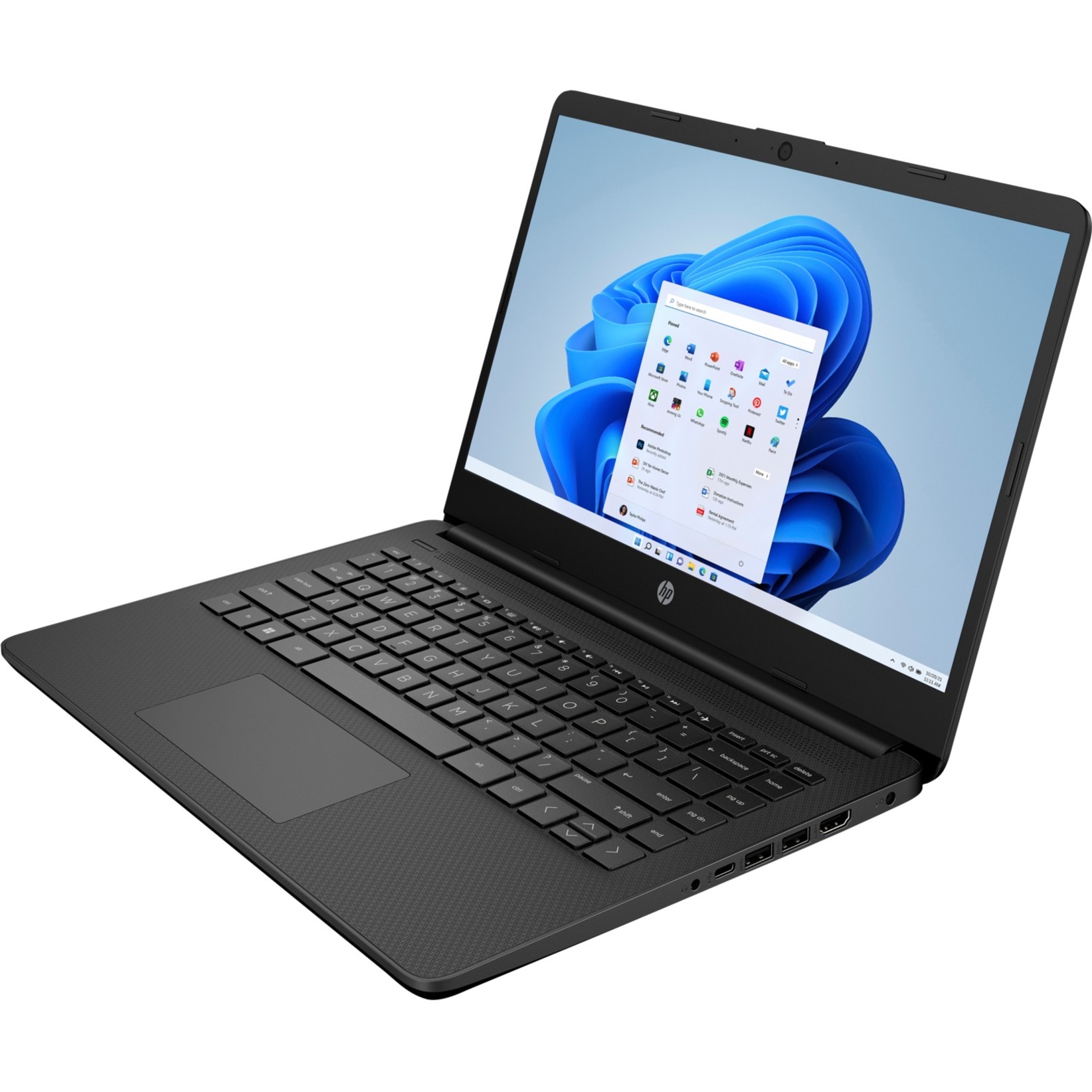
Warranty and asset records that stay accurate
Devices are tagged and recorded to your asset scheme during configuration, and HP warranty and Care Pack coverage is registered and tracked — so coverage doesn't lapse unnoticed and your CMDB maps to reality, not last year's spreadsheet.
- Asset tags and serials mapped to your CMDB or register
- HP warranty and Care Pack coverage registered and tracked
- Claims handled promptly instead of stalling between vendors
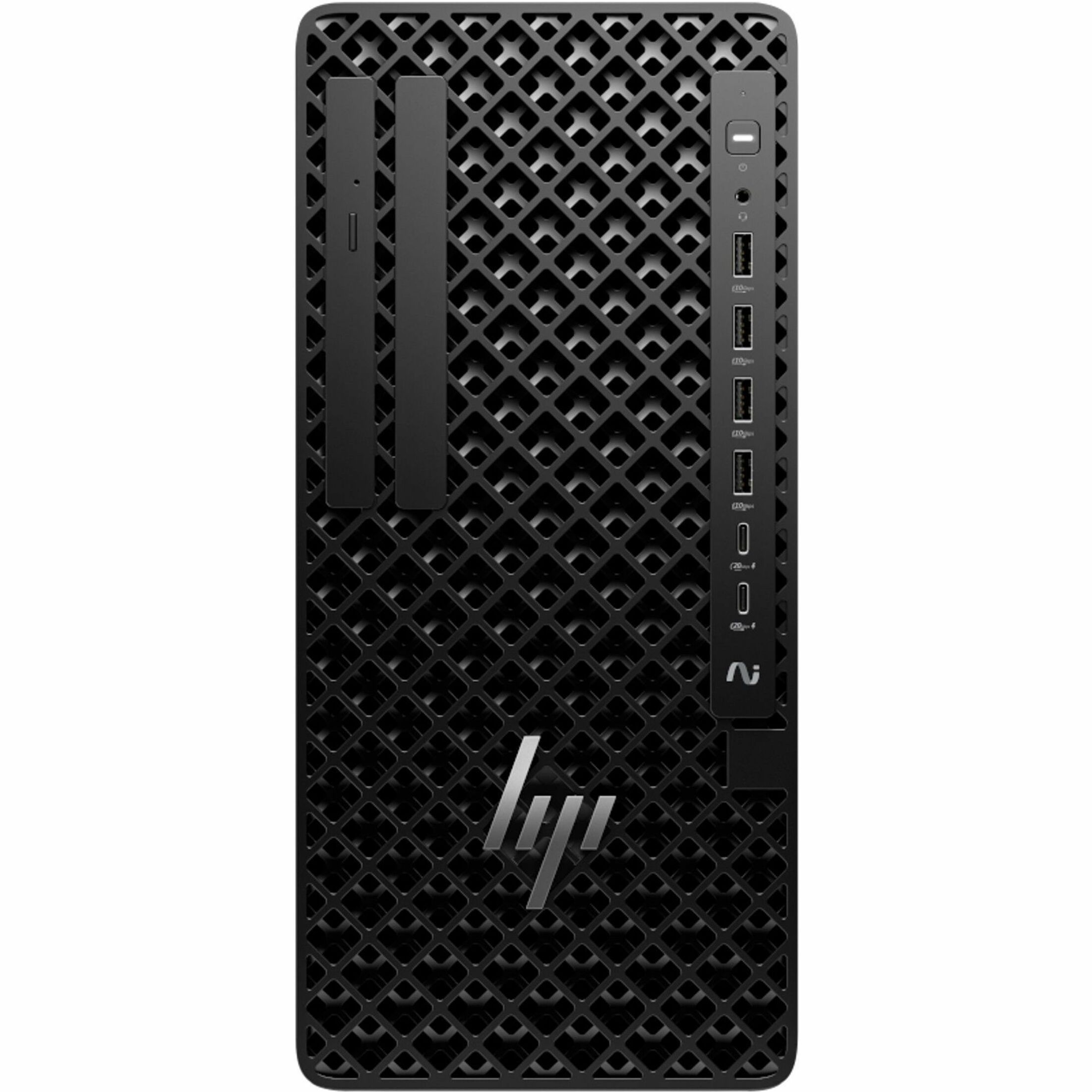
Refresh planned, not reacted to
Refresh cycles built against device age and warranty status, sequenced to limit disruption, so budgets and replacements are predictable. Planning conversations start from current fleet data rather than guesswork.
- Cycles driven by real device age and warranty data
- Sequenced to limit disruption to operations
- A current view of fleet age and upcoming refreshes
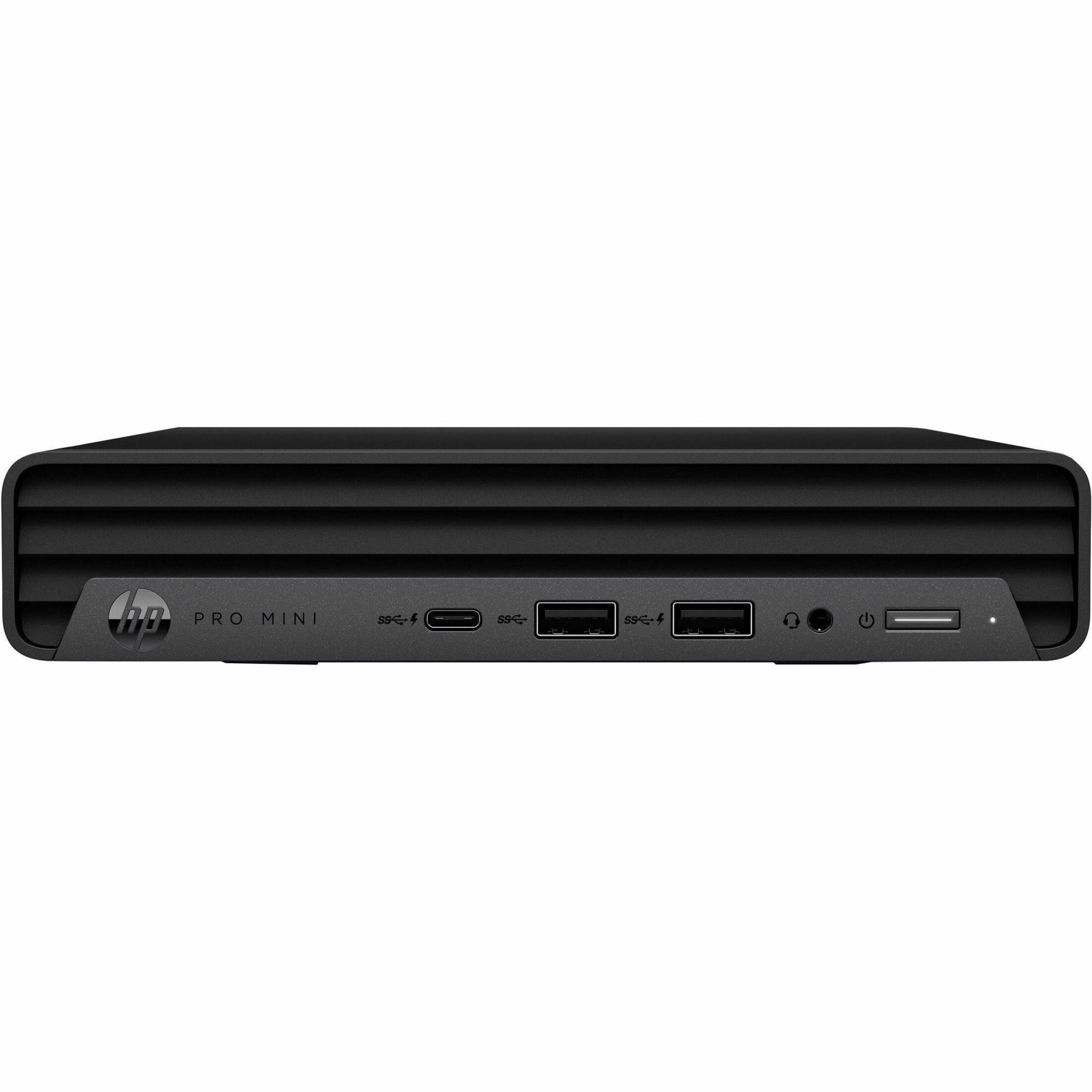
Trade-in and documented disposal
Outgoing hardware — HP and other brands — assessed for residual value and traded in to offset new purchases, with end-of-life units taken through secure data treatment and environmentally sound recycling, fully documented.
- Residual value recovered through trade-in
- Secure data treatment before any device leaves
- Recycling documentation to support disposal records
What's included
Everything we cover under procurement & lifecycle for your HP estate.
Warranty support
Registering, tracking and acting on HP warranty and Care Pack coverage so claims are handled and nothing lapses.
Asset tagging
Devices labeled and recorded to your asset scheme during config — an inventory that maps to your CMDB.
Device refresh
Refresh cycles planned against age and warranty so budgets and replacements are predictable, sequenced to limit disruption.
Trade-in programs
Recovering value from outgoing HP and other-brand hardware to offset the cost of new devices.
Disposal & recycling
Responsible end-of-life handling with secure data treatment and documentation for your disposal records.
Lifecycle reporting
A current view of fleet age, warranty status and upcoming refreshes so planning starts from real data.
What we deploy & manage
Real HP products and programs — named, not implied.
HP Care Pack & warranty
Coverage tiers registered and tracked across the fleet so claims are handled before they stall.
Trade-in & buy-back
Residual-value assessment and trade-in across mixed estates, applied to offset new HP purchases.
Secure ITAD & recycling
Documented data sanitization and environmentally sound recycling at end of life, with audit-ready paperwork.
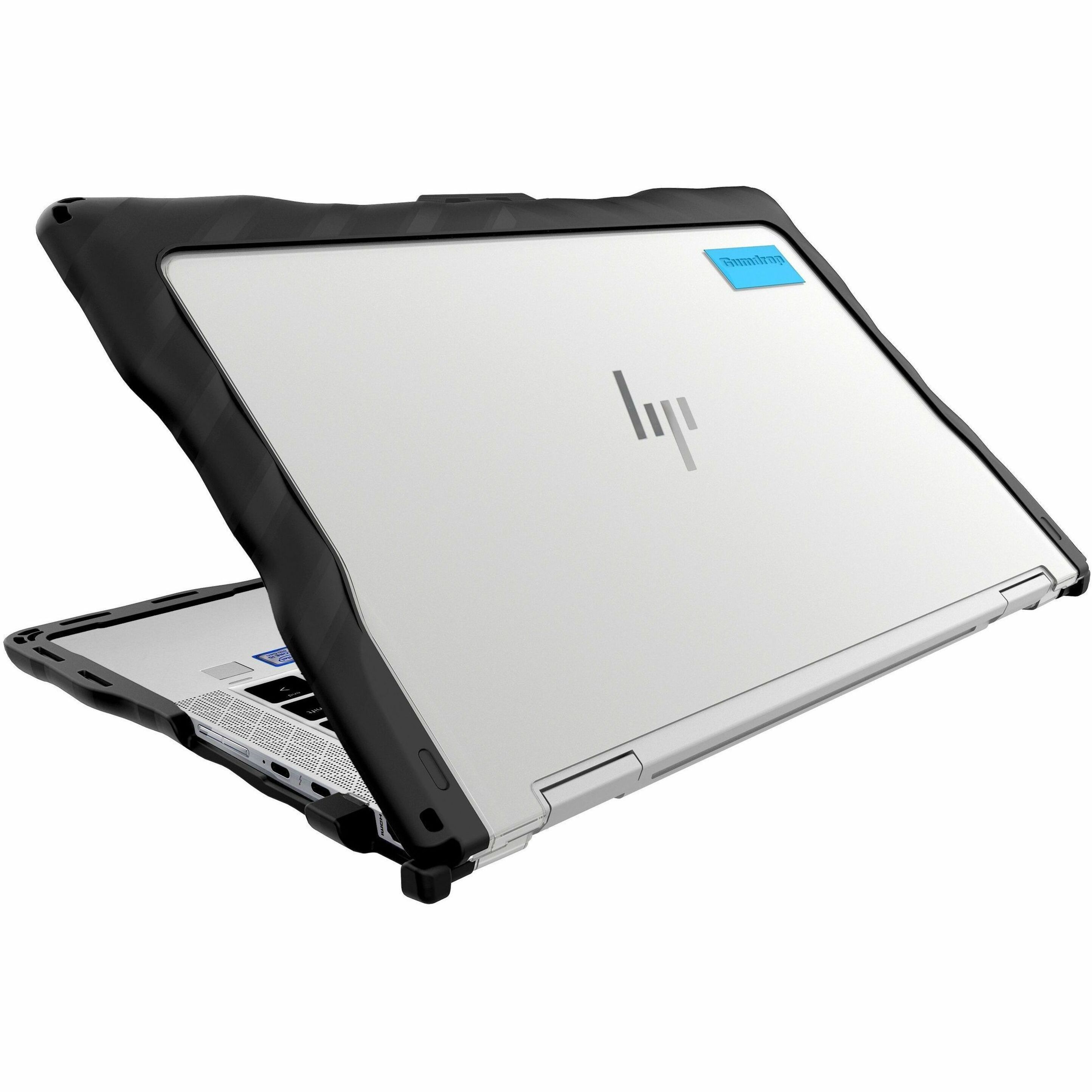
HP hardware we manage across their life
View all →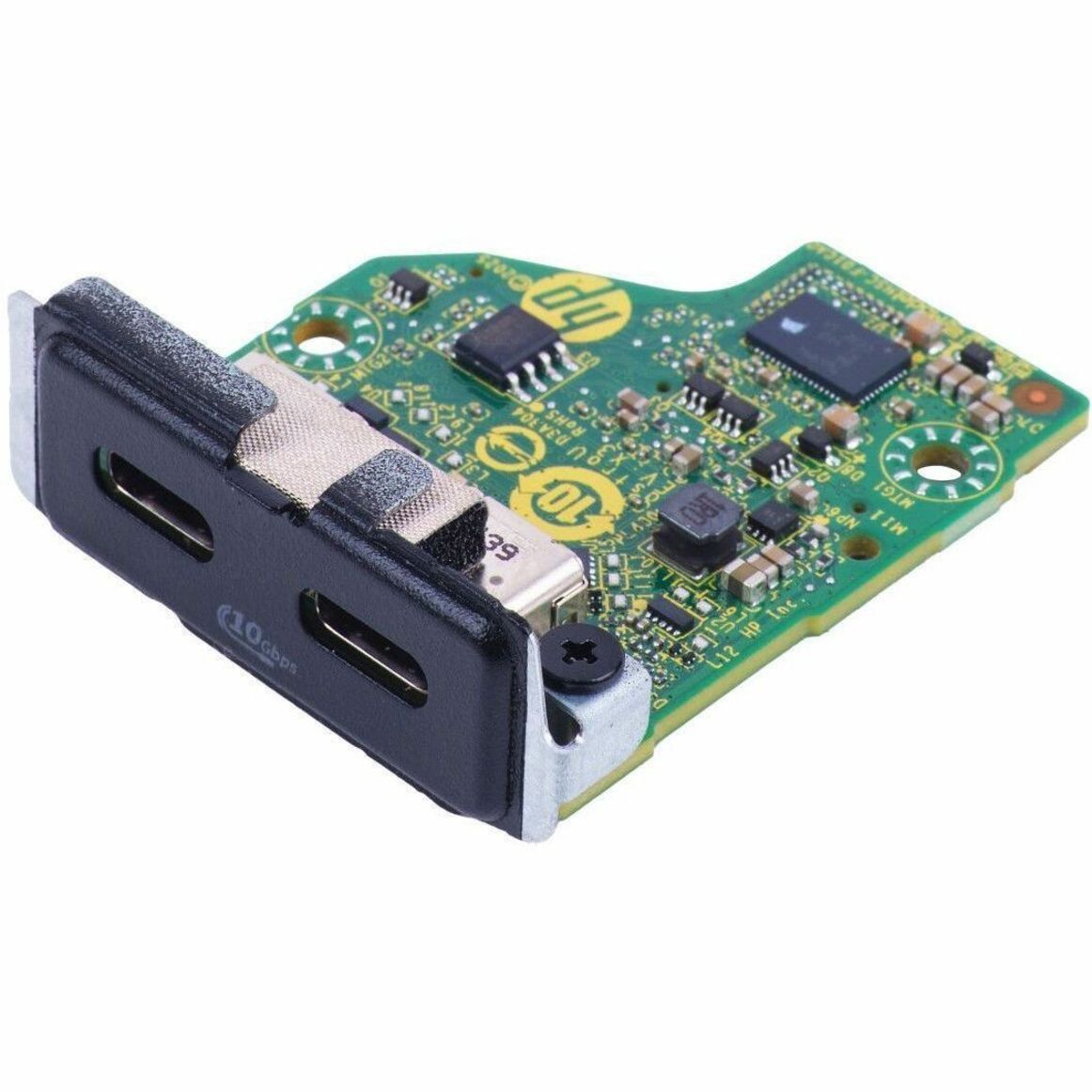
How we engage
A clear path from requirement to a supported fleet — no payment up front.
Procure
Hardware quoted to your buying path with TAA status confirmed per line item, and coverage attached up front.
Tag
Devices labeled and recorded to your asset scheme during configuration, mapped to your CMDB from day one.
Refresh
Cycles planned against device age and warranty, sequenced to limit disruption and keep budgets predictable.
Retire
Outgoing units assessed for trade-in, then taken through documented secure disposal and recycling.
What success looks like
- Predictable refresh budgets driven by device age and warranty data.
- Value recovered from outgoing hardware through trade-in.
- Secure, documented data handling and recycling at end of life.
- An accurate, tagged inventory that maps to your asset records.
- HP warranty and Care Pack coverage tracked so nothing lapses.
- Procurement, deployment and retirement run as one coordinated engagement.
Questions buyers ask
Do trade-in programs cover non-HP hardware?
Trade-in is often available on a mixed estate, not only HP units, where there's residual value. We confirm eligibility and indicative value per device as part of the quote.
How is data handled at disposal?
End-of-life devices go through secure data treatment before recycling, with documentation to support your disposal and audit records. Exact handling is agreed up front to match your data policy.
Can lifecycle services be combined with procurement?
Yes — that's the point. Buying new HP hardware, deploying it and retiring the units it replaces can run as one coordinated engagement, which is where the administrative savings come from.
How do you keep our asset records accurate?
Devices are tagged and recorded to your scheme during configuration, mapped to your CMDB or register from day one, and warranty status is tracked alongside — so the record reflects reality instead of drifting.
Is this suitable for government and education buyers?
Yes. Asset tagging, documented disposal and refresh planning map well to public-sector record-keeping needs. We quote against the contract path that fits your organization.