Two thresholds decide how a federal IT buy actually gets bought
Most agency IT purchases never see a formal source selection. They land in one of two lanes: a purchase-card transaction at or below the micro-purchase threshold, or a simplified acquisition under FAR Part 13. Which lane you are in is decided mostly by dollar value, and it shapes everything downstream — how much competition you document, what the quote has to contain, how long the file takes to assemble, and how fast the hardware reaches the loading dock.
What follows is buyer-side procurement education. Uniqcli is an authorized HP Inc. reseller — we do not run acquisitions and we do not decide your lane. But we quote into both lanes constantly, and the difference between a clean buy and a stalled one is almost always whether the quote was built for the lane it was headed into.
What the micro-purchase threshold is
Micro-purchase and micro-purchase threshold are defined terms in FAR 2.101, and the procedures live in FAR Part 13, Subpart 13.2. The short version: at or below that threshold, an authorized cardholder may buy without soliciting competitive quotations, provided the price is considered reasonable and micro-purchases are distributed equitably among qualified suppliers (FAR 13.203(a)). That is the entire point of the Government Purchase Card — it collapses a procurement action into a transaction.
Two cautions trip up buyers here.
First, do not memorize the number. FAR 1.109 requires statutory acquisition-related thresholds to be adjusted periodically for inflation, which means a figure sitting in an internal SOP, a training deck, or an article written two years ago may already be out of date. Look up the current micro-purchase threshold in the FAR text itself, or ask your contracting office, before you rely on it for a real buy.
Second, there is not a single micro-purchase threshold. FAR 2.101 sets different figures for particular circumstances, including certain contingency and emergency-support acquisitions, and lower thresholds for construction subject to wage-rate requirements and for services subject to the Service Contract Labor Standards. For commercial IT hardware the general figure normally applies, but confirm the one that fits your requirement.
What the simplified acquisition threshold is, and how Part 13 differs
The simplified acquisition threshold is likewise defined in FAR 2.101, and FAR Part 13 supplies the procedures for actions above the micro-purchase threshold and at or below the SAT. The same inflation caution applies: confirm the current figure in the FAR before you plan around it.
Part 13 is a genuinely different posture from a Part 14 sealed bid or a Part 15 negotiated procurement:
- Competition is still required, but the standard under FAR 13.104 is competition to the maximum extent practicable — quotes from a reasonable number of sources, not a formal evaluation apparatus
- Acquisitions above the micro-purchase threshold and at or below the SAT are generally reserved for small business under FAR 13.003(b)(1), with limited exceptions
- Publicizing obligations attach above a value named in FAR Part 5; below that value the contracting officer has considerably more latitude
- A quotation under Part 13 is not an offer. FAR 13.004 says it plainly: the government purchase order is the offer, and the contract forms when the vendor accepts or performs
There is also FAR Subpart 13.5, which allows contracting officers to use simplified procedures for certain commercial products and services above the SAT, up to a higher ceiling. If your requirement is commercial IT hardware, it is worth asking your CO whether 13.5 is available. It can keep a mid-size refresh out of a full Part 15 process.
The practical playbook: swipe or solicit
The dollar value sets the ceiling, but it should not be the only input. A better test: if you would want the terms in writing and enforceable, you want a purchase order, not a card receipt.
Reach for the card when the requirement is small, self-contained, and priced reasonably — a replacement notebook for a new hire, a dock and monitor for a returning teleworker, a handful of accessories that unblock someone this week. Nobody benefits from a formal acquisition to buy four docking stations.
Run a simplified acquisition when any of these are true:
- The requirement is a defined program with quantities by site or by delivery wave
- Configuration matters and substitution needs to be controlled in writing
- Delivery is staged, or a specific delivery date carries mission consequence
- Warranty term, imaging, or asset tagging must be enforceable terms
- The total requirement clearly exceeds the micro-purchase threshold
If you are scoping something in the second category, build it as a bill of materials before you ask anyone for pricing. Our BOM builder exists for exactly that — device, dock, power, warranty tier, and accessories assembled once and reused across every order, so each wave gets an identical kit and your quote lines match your requirement lines.
Splitting a requirement: the right way and the prohibited way
This is the part where good intentions get people in trouble, so it deserves to be blunt.
FAR 13.003(c)(2) prohibits breaking down a requirement aggregating more than the simplified acquisition threshold — or, for a purchase-card buy, more than the micro-purchase threshold — into several smaller purchases merely to permit use of simplified acquisition procedures or to avoid a requirement that applies above the micro-purchase threshold. That is not a gray area and it is not a matter of local practice. Three card swipes on three consecutive days to avoid one properly competed action is the exact pattern the rule names.
What is legitimate is structuring around genuinely separate requirements. Separate bona fide needs, arising at different times. Different funding sources or fiscal years. Distinct mission requirements at different sites that were never one procurement to begin with. The distinction is whether the requirement was actually one requirement, and that determination belongs to your contracting officer, documented in the file — not to a vendor and not to a program office in a hurry.
One thing you can control: the vendor. If a reseller ever proposes chopping an order into card-sized pieces to keep it under a threshold, decline it in writing and note it. We will not structure a quote that way, and a supplier who volunteers it is telling you something about how they handle the rest of the file.
What the cardholder or contracting officer actually needs on the quote
Most stalled IT buys stall on documentation, not on price. A quote that supports a purchase-card transaction or a Part 13 award should carry all of this on its face:
- Every line itemized with the manufacturer part number, not just a description
- Quantity, unit price, and extended price per line, with any discount shown rather than buried
- Configuration detail specific enough that a substitution would be visible
- TAA status confirmed per line, and Section 889 status confirmed per line and per configuration
- Lead time and a delivery date you can actually hold someone to
- Warranty term and service level as their own line, not as an assumption
- Freight terms and the exact ship-to, including any dock or delivery restrictions
- A quote validity date
- The vendor UEI, CAGE code, and confirmation that the SAM registration is active
- Remit-to information and the invoicing method the vendor will use
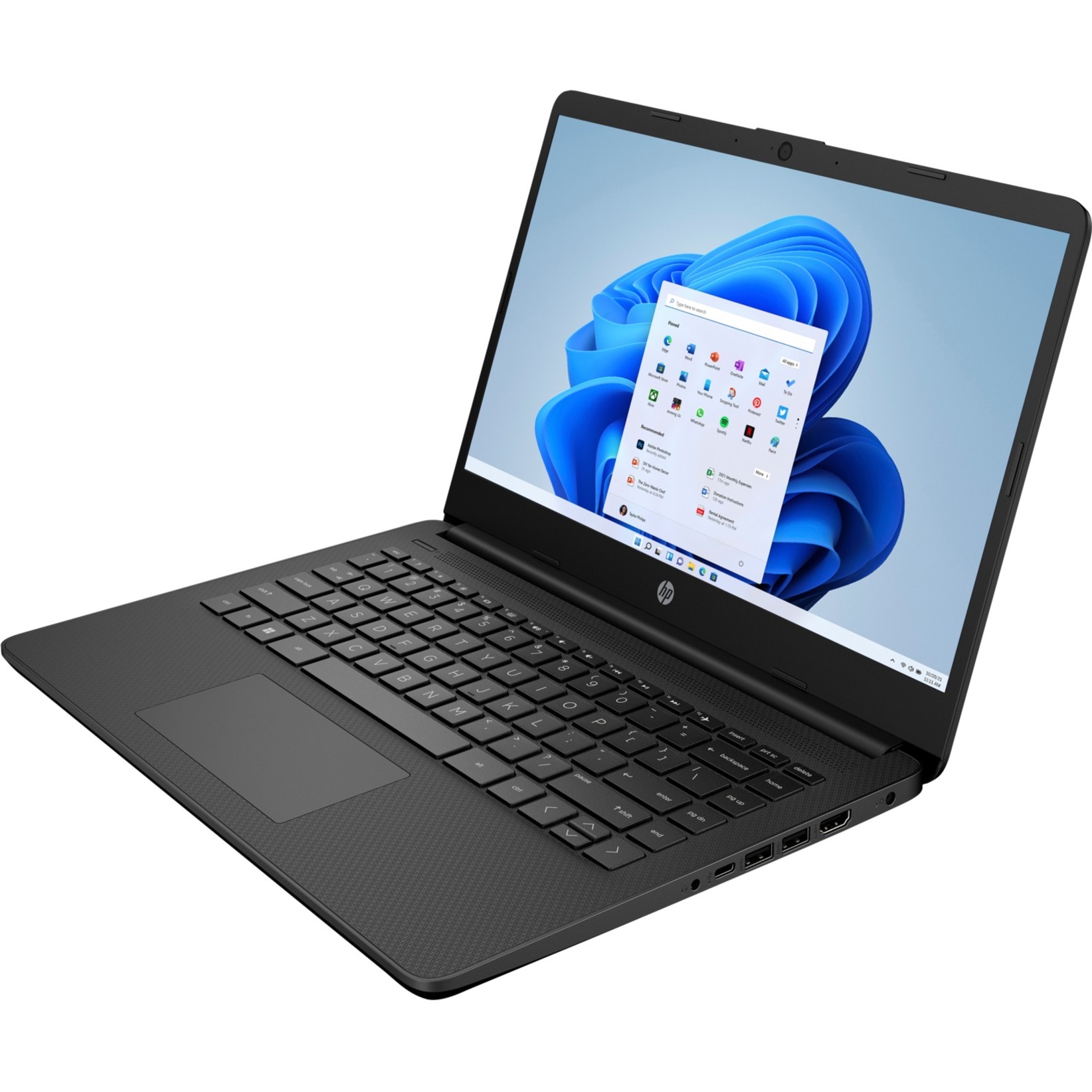
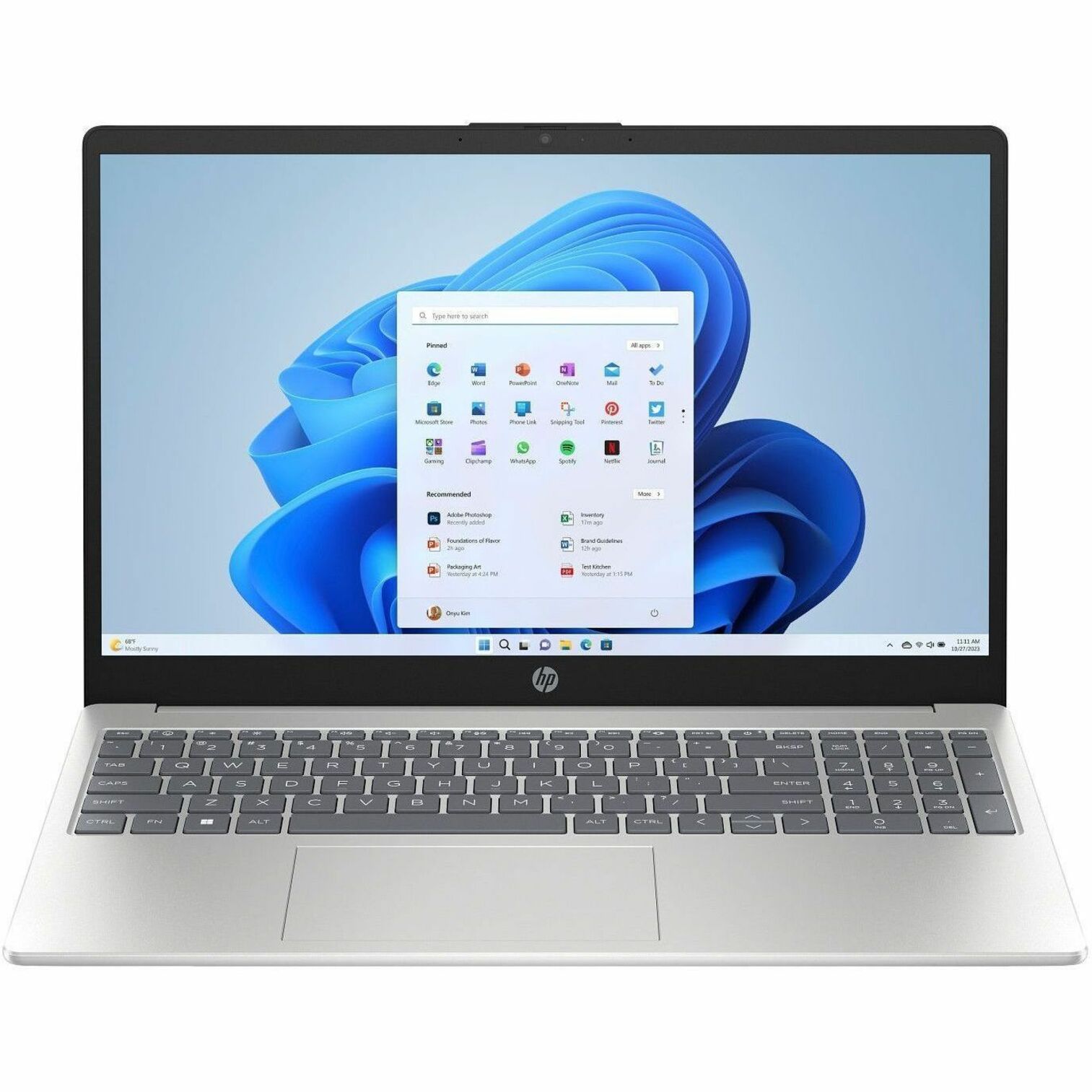
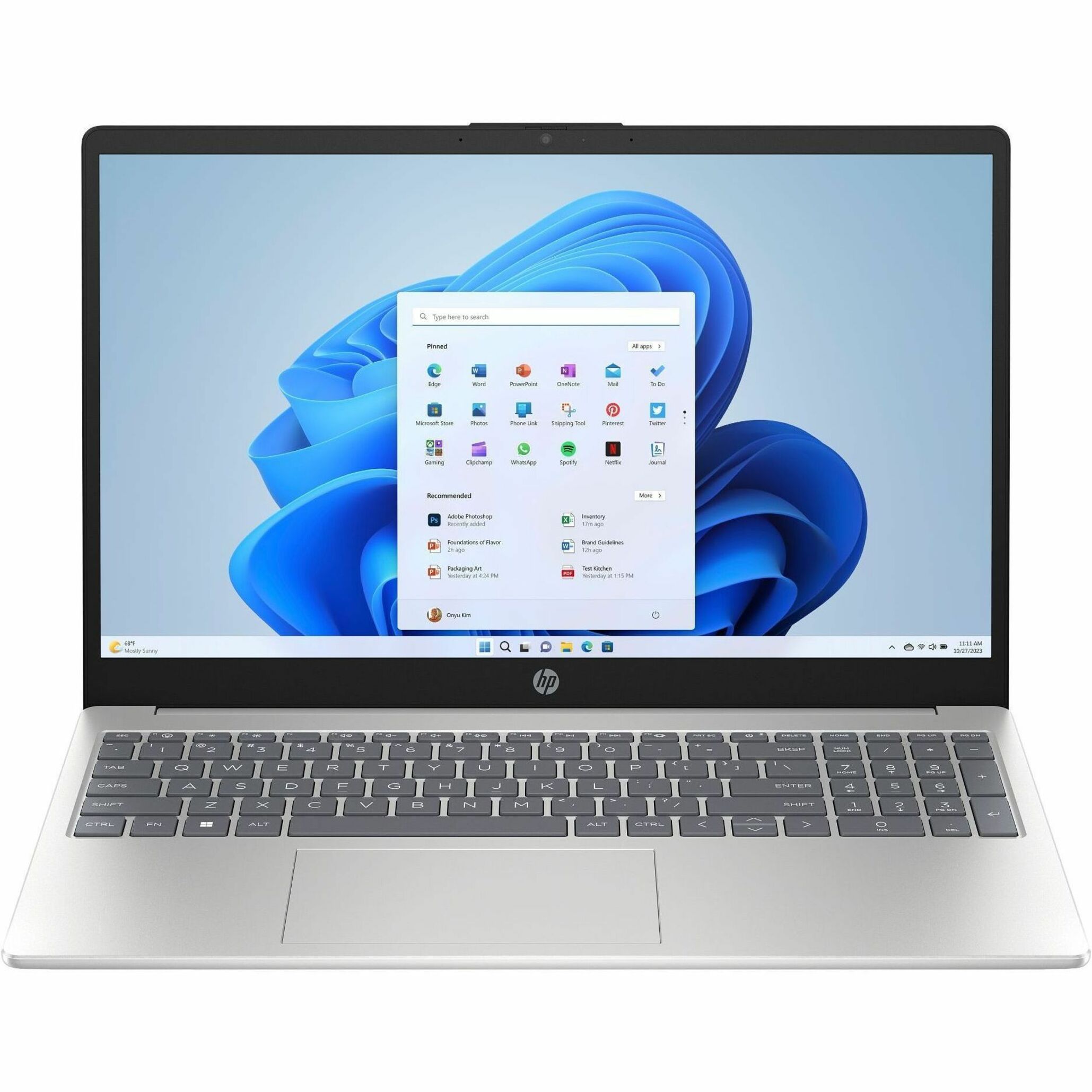
Price reasonableness is easier to document when the quote is itemized. A single bundled number gives a cardholder nothing to compare, while a line-item quote lets them check the pieces that matter against what else is available. You can compare current HP notebook configurations and lock your tiers before requesting pricing.
How Uniqcli transacts today
We would rather be plain about this than let you find out at award. Uniqcli holds no contract vehicles. We are not on a GSA Schedule, a governmentwide acquisition contract, or any agency IDIQ or blanket purchase agreement. The GSA MAS application is underway, and until it is awarded we will say exactly that.
What we can do today covers most of what a federal IT buyer needs:
- Government Purchase Card transactions directly, with an itemized quote built for the cardholder file
- Simplified acquisitions under FAR Part 13
- Standard FAR purchase orders from your contracting office
- Responses to solicitations posted on GSA eBuy
- Invoicing through WAWF in PIEE
If your requirement must be placed on a vehicle we do not hold, we will tell you that in the first exchange rather than the last. More on how we support agency buyers is on our federal page.
Send us the requirement the way you would send it to your CO — quantities, configuration, delivery dates, and the lane you expect to use. Request a federal quote and we will come back with a line-item quote built for that lane, with part numbers, delivery dates, and compliance status confirmed per line.
Frequently asked questions
What is the micro-purchase threshold for IT purchases?
Micro-purchase and micro-purchase threshold are defined at FAR 2.101, with procedures in FAR Part 13, Subpart 13.2. We deliberately do not print a dollar figure here: FAR 1.109 requires statutory acquisition-related thresholds to be adjusted periodically for inflation, and FAR 2.101 sets different figures for certain circumstances such as contingency support and services subject to the Service Contract Labor Standards. Confirm the current applicable threshold in the FAR text or with your contracting office before relying on it.
How is the simplified acquisition threshold different from the micro-purchase threshold?
The micro-purchase threshold is the ceiling below which a cardholder may buy without soliciting competitive quotations if the price is reasonable. The simplified acquisition threshold is the higher ceiling under which the streamlined procedures of FAR Part 13 apply instead of a full Part 14 or Part 15 process. Between the two, acquisitions are generally reserved for small business under FAR 13.003(b)(1), and competition to the maximum extent practicable applies under FAR 13.104. Both figures are inflation-adjusted, so confirm the current ones.
Can we split an order into several card purchases to stay under the threshold?
No. FAR 13.003(c)(2) prohibits breaking down a requirement that aggregates above the applicable threshold into several smaller purchases merely to permit simplified acquisition procedures or to avoid a requirement that attaches above the micro-purchase threshold. Genuinely separate requirements with separate bona fide needs or funding can be bought separately, but that determination belongs to your contracting officer and should be documented in the file. We will not structure a quote to sidestep a threshold.
What does a purchase-card holder need on a quote for the file?
Itemized lines with manufacturer part numbers, quantity, unit and extended pricing, configuration detail specific enough that a substitution would be visible, TAA and Section 889 status confirmed per line, lead time and a delivery date, warranty term as its own line, freight terms and ship-to, a quote validity date, and the vendor UEI, CAGE code, and active SAM registration. An itemized quote also makes price reasonableness far easier to document than a single bundled number.
Which buying paths can Uniqcli transact on today?
Government Purchase Card transactions, simplified acquisitions under FAR Part 13, standard FAR purchase orders, responses to solicitations on GSA eBuy, and invoicing through WAWF in PIEE. Uniqcli holds no contract vehicles — no GSA Schedule, GWAC, IDIQ, or BPA. The GSA MAS application is underway, and if your requirement has to be placed on a vehicle we do not hold, we will tell you that up front.