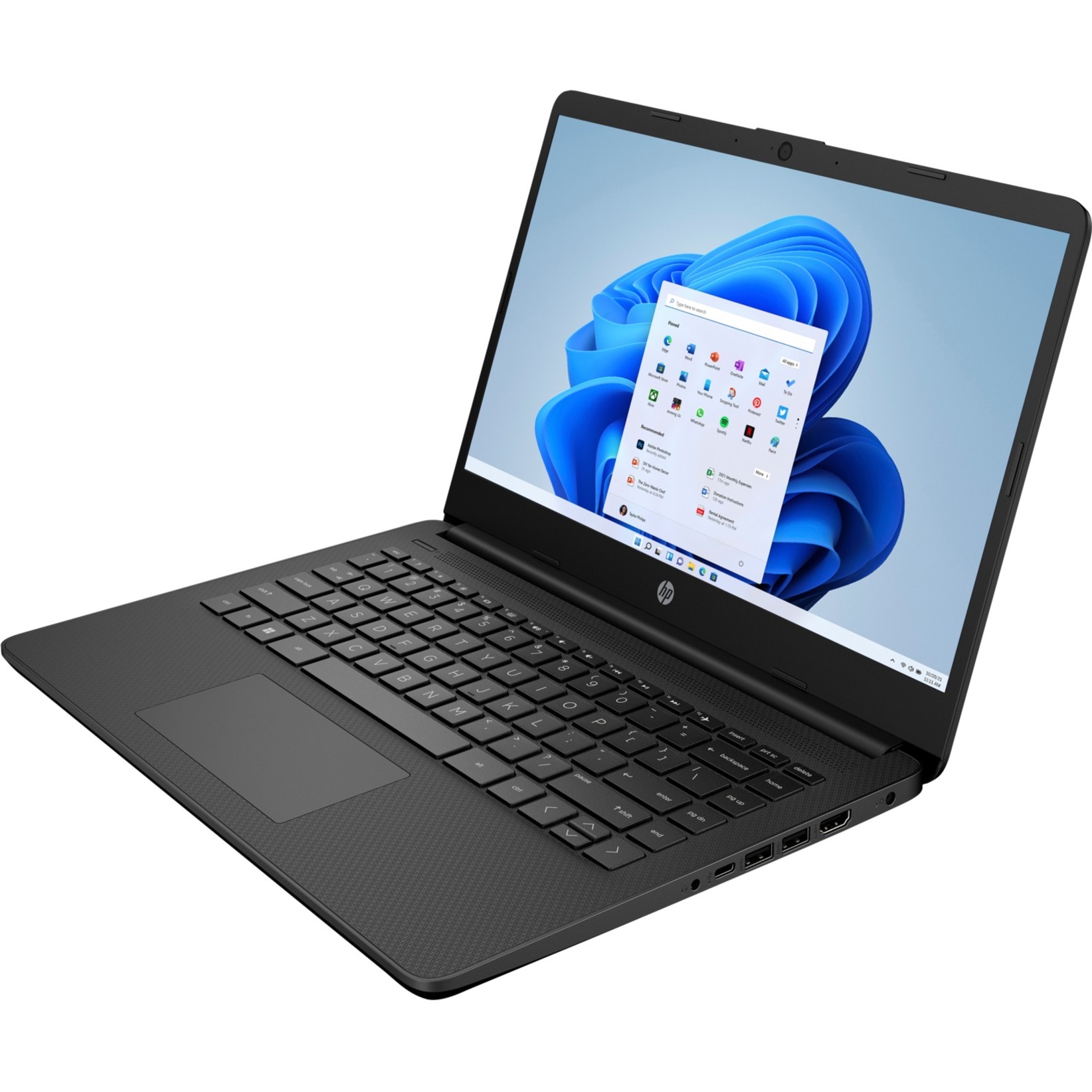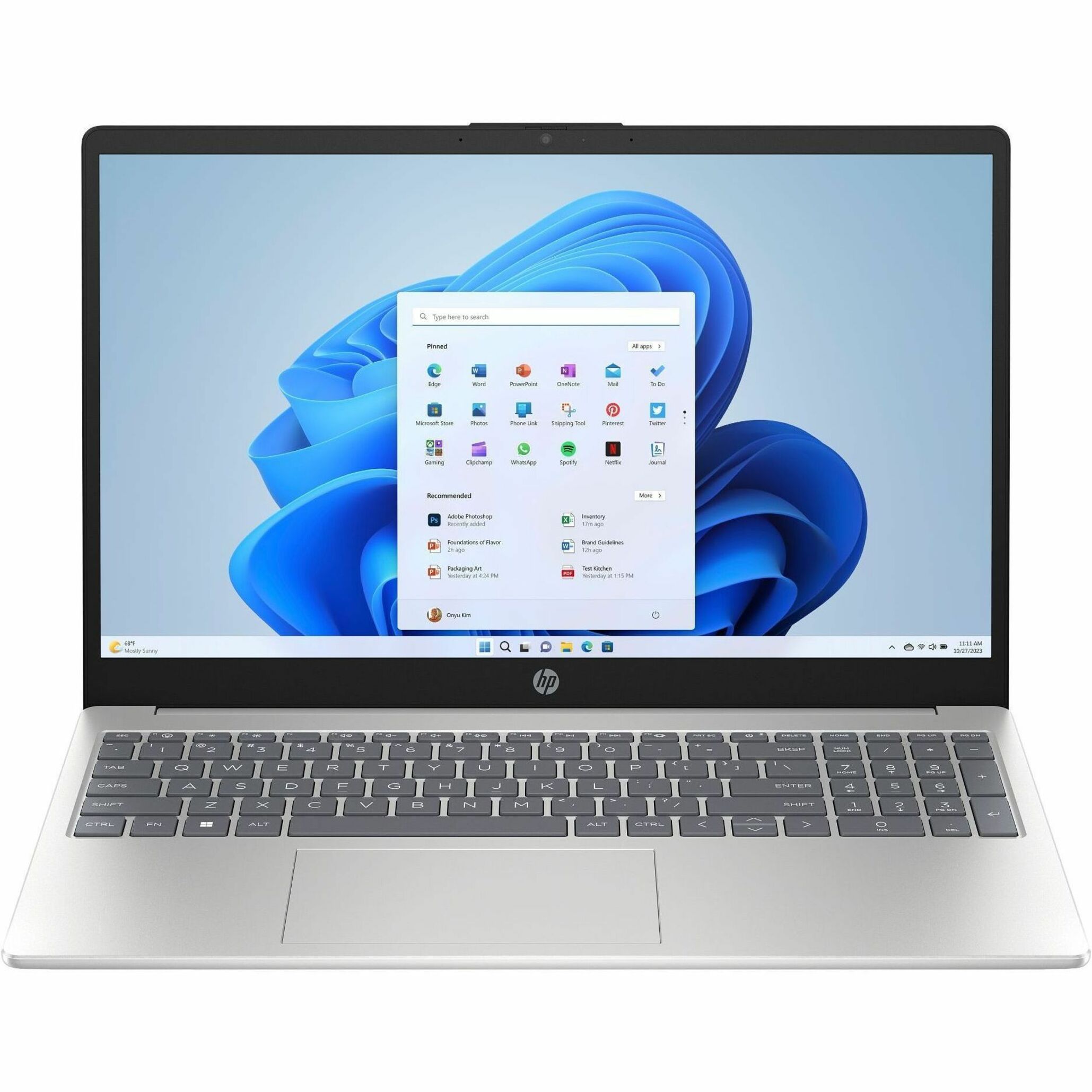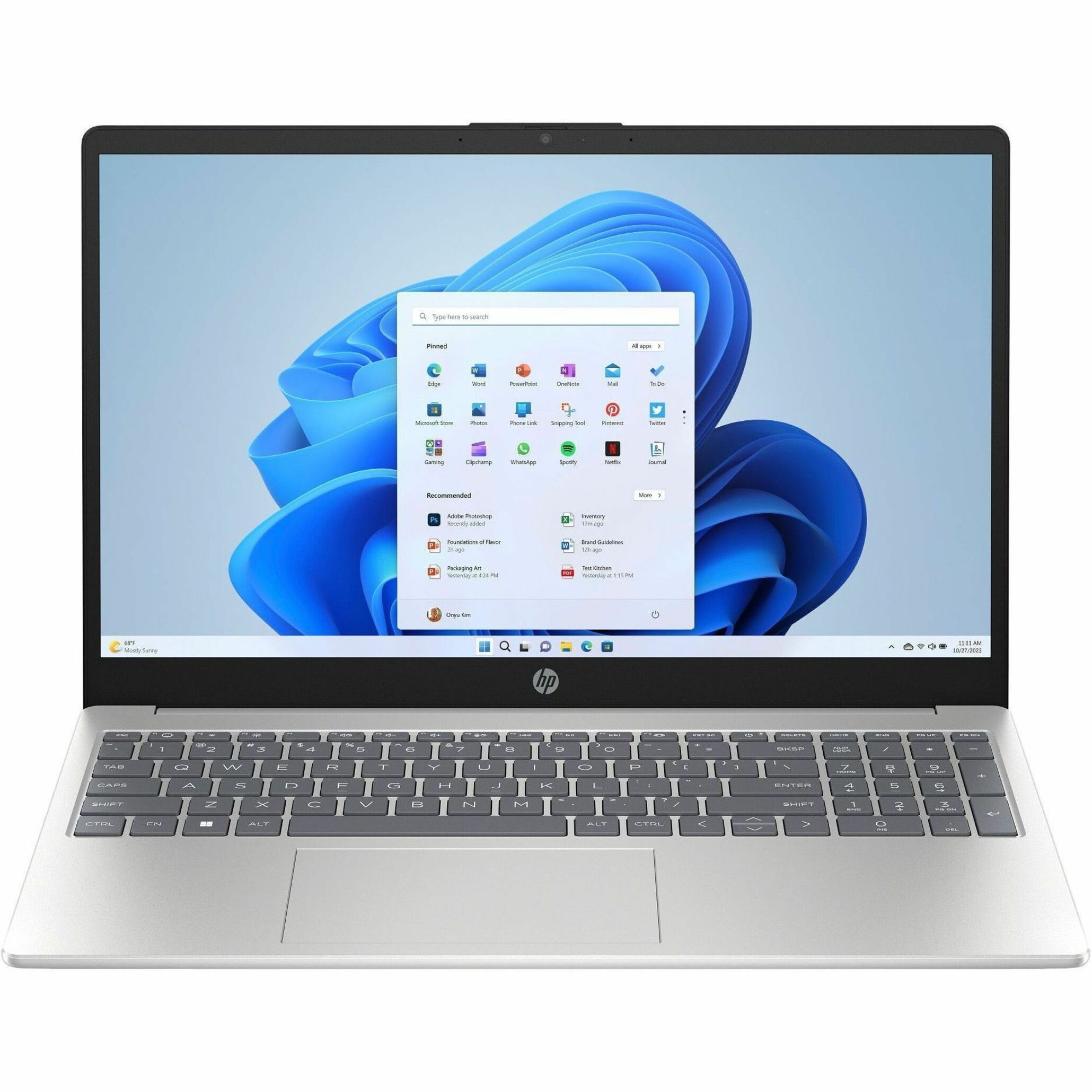
Two good lines for two different jobs
EliteBook and ProBook are both genuine, business-class HP notebooks — this isn't a good-versus-bad comparison. The real question for a fleet owner is where each line earns its keep. EliteBook sits at the premium end with the fullest security and manageability feature set and the most refined build. ProBook delivers dependable business computing at a more accessible price. The mistake fleets make is buying one tier for everyone when their users genuinely have different needs.
Where EliteBook earns the premium
EliteBook is built for users whose work, data, or travel justifies the highest tier. You're paying for the most complete security stack, premium materials and durability, and the manageability features that matter when IT supports a device remotely at scale. For executives, users handling sensitive information, and heavy travelers who put a laptop through real punishment, that premium is easy to justify.
- Fullest hardware-rooted security and manageability feature set
- Premium chassis materials and refined build quality
- A strong fit for leadership, sensitive-data roles, and frequent travelers
- Often the better long-term value where downtime is expensive
Where ProBook is the smart buy
For the broad base of general-purpose users — task workers, shared-use machines, and roles that don't carry elevated risk — ProBook delivers the business-class reliability you need without paying for capabilities those users won't exercise. Standardizing your general fleet on ProBook frees budget you can redirect toward the users who genuinely need EliteBook, or toward docking and warranty coverage across the whole fleet.
Don't buy one tier for everyone
The most cost-effective fleets segment by role. Map your users into tiers and assign the line that fits:
- Leadership and sensitive-data roles → EliteBook
- Heavy travelers and field users where durability pays off → EliteBook
- General office and task workers → ProBook
- Shared and kiosk-style machines → ProBook
You can compare current EliteBook and ProBook configurations side by side, then lock each tier as a standard. Building both as reusable configurations in our BOM builder keeps ordering consistent and your image count low.
Manageability is a fleet decision, not a per-user one
Whichever lines you choose, what makes a fleet supportable is consistency: a small number of standard configurations, a common docking solution, matched warranty terms, and a known security baseline. Two well-defined tiers are far easier to support than a dozen one-off orders. Decide the standard centrally and hold the line on special requests.
Think in total cost, not unit price
A cheaper unit that fails early or eats help-desk time isn't cheaper. For high-downtime-cost roles, the EliteBook premium often pays for itself in reliability and fewer support events. For low-risk roles, ProBook's value is real and worth taking. Match the tier to the cost of that user being down, and the math usually settles itself.
When you've drawn the tiers, send us the split and quantities and we'll quote it on the buying path that fits your agency, with TAA confirmed per line. Request a fleet quote and we'll help you size the two-tier standard.
Frequently asked questions
Is EliteBook always the better choice over ProBook?
No. EliteBook offers the fullest security, manageability, and build, which is worth it for leadership, sensitive-data roles, and heavy travelers. ProBook delivers dependable business computing at a lower price and is the smart buy for general and shared-use roles. The best fleets use both.
How should we split a fleet between the two lines?
Segment by role and downtime cost. Put leadership, sensitive-data users, and frequent travelers on EliteBook, and standardize general office and shared machines on ProBook. Two well-defined tiers are far cheaper to support than a dozen one-off configurations.
Are both lines TAA-compliant for government buys?
TAA status depends on the exact configuration and where it was made, not the line name. We confirm country of origin per line at quote time and will propose a TAA-certified equivalent if a specific build can't meet the requirement.