Why hybrid work needs a real standard
When people split time between home, the office, and the road, the cost of an inconsistent fleet multiplies. Mismatched docks mean someone always has the wrong adapter. A grab-bag of laptop models means more images to maintain and more ways for support to go wrong. A deliberate device standard fixes this: a small, defined set of configurations that work the same everywhere, are easy to support, and are predictable to budget.
The standard is the product. The individual laptop is just one component of it.
Pick your notebook tiers first
Don't standardize on a single machine — standardize on a small number of tiers that cover real roles. For most organizations that's two or three:
- A mainstream notebook for general users
- A premium notebook for leadership and sensitive-data roles
- A performance or mobile-workstation tier for engineers and creatives
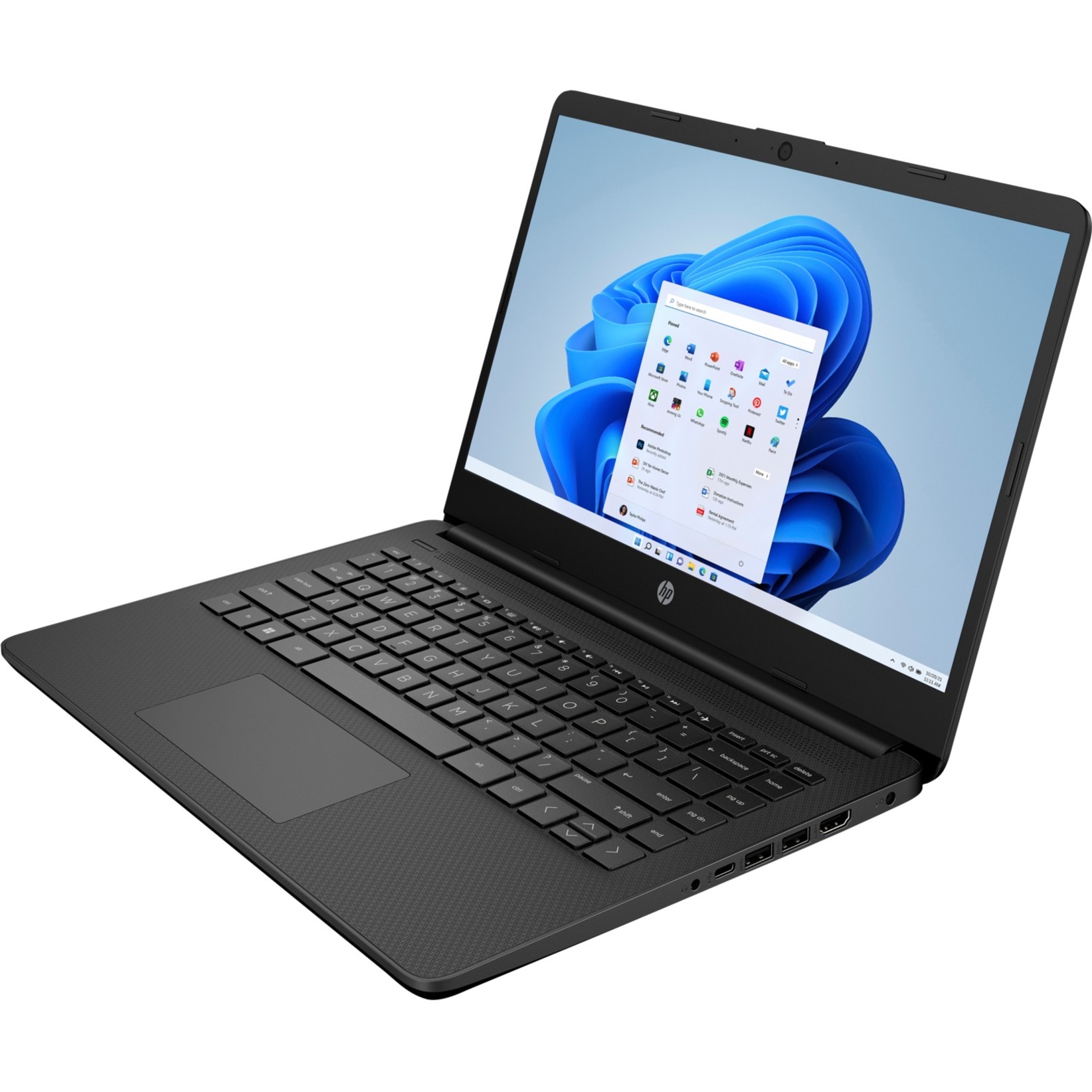
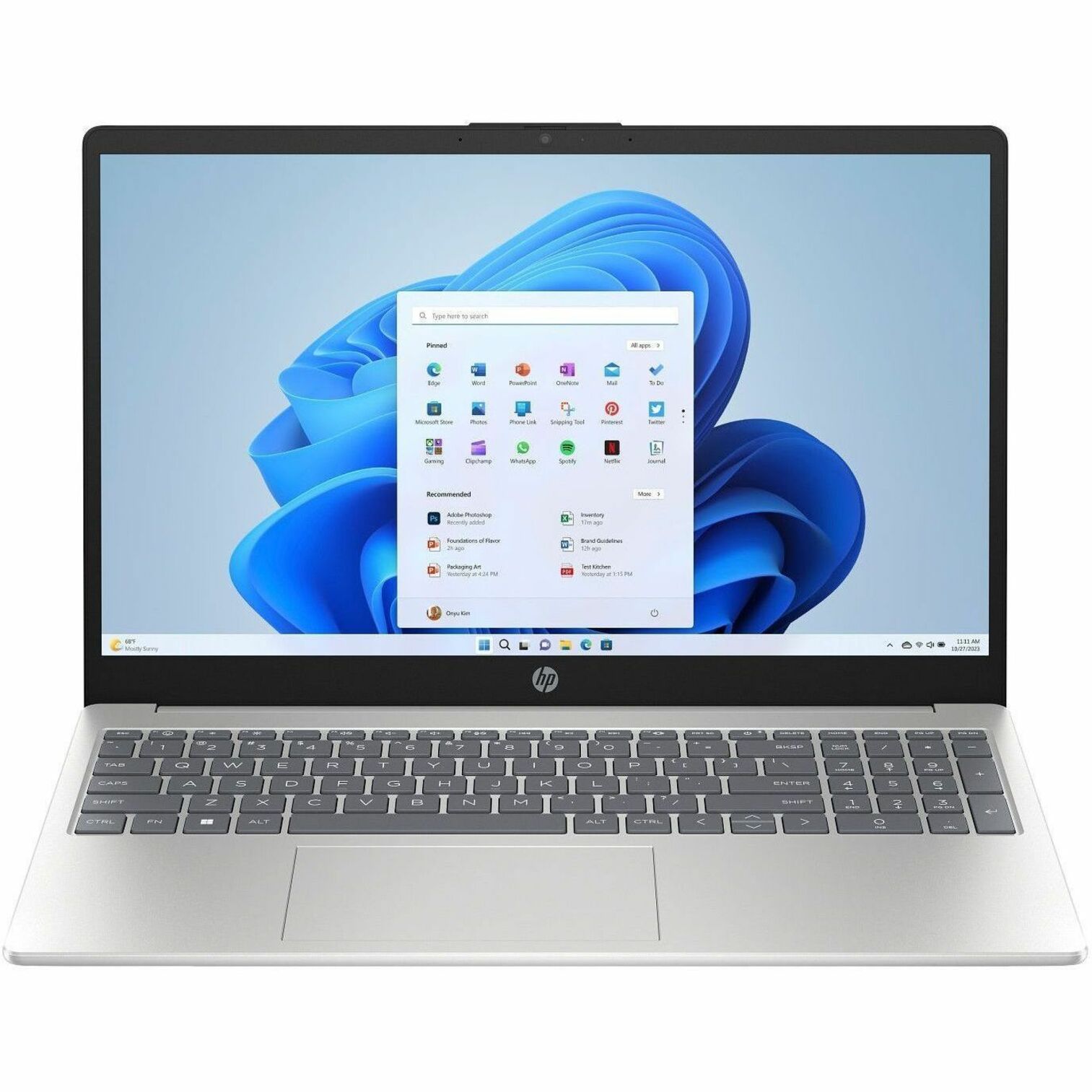
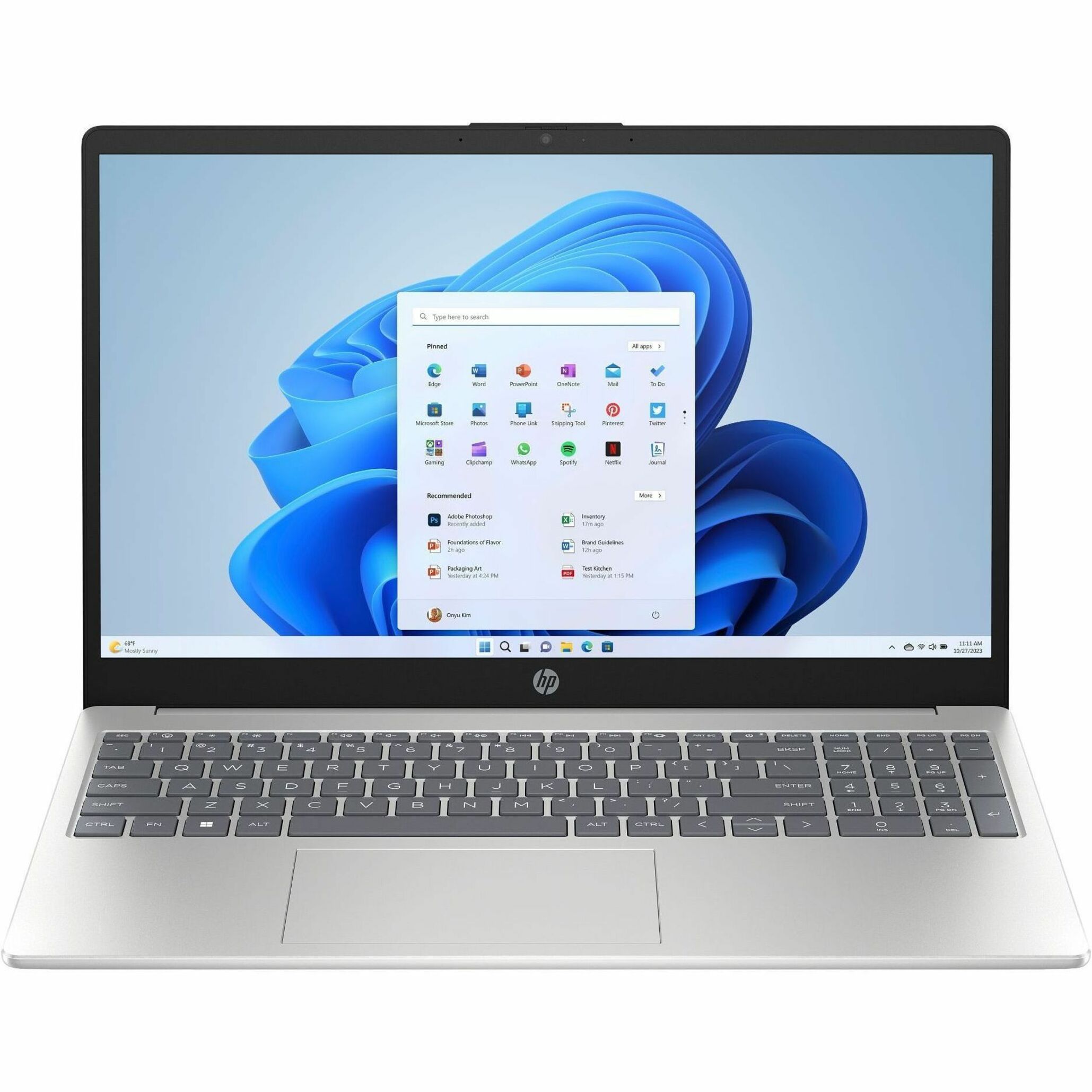
Choosing among HP EliteBook, ProBook and ZBook lines by role keeps you from overspending on users who don't need the top tier — and from under-equipping the ones who do. Lock the memory and storage minimums per tier so they survive the full service life.
The dock is the unsung hero of hybrid
Nothing makes hybrid work feel seamless like a single, universal docking standard. One dock at the office, one at home, the same connector on every laptop — and suddenly nobody is hunting for a dongle before a meeting. Pick one docking solution that works across your chosen notebook tiers and make it part of the standard kit, not an optional add-on.
Pair it with a consistent set of monitors and accessories so every desk, wherever it is, looks and behaves the same. The reduction in support tickets alone usually justifies the standardization.
Don't forget collaboration hardware
Hybrid meetings are only as good as the audio. A standard headset and, for huddle spaces and conference rooms, standardized Poly collaboration devices make remote participants first-class instead of an afterthought. Treat the meeting experience as part of the device standard, because for hybrid teams it absolutely is.
Tie it together with one security baseline
A standard isn't just hardware — it's a common security posture across every device. Define your baseline once: hardware-rooted protection, a consistent endpoint configuration, encryption, and remote manageability. Then enforce it across all tiers. The point of a standard is that any device, anywhere, meets the same bar, so IT supports one posture instead of many.
Build it once, reuse it everywhere
Capture each tier — notebook, dock, peripherals, warranty, and security configuration — as a complete configuration in our BOM builder. Now onboarding a new hire, equipping a new site, or refreshing a department is a matter of picking a tier and a quantity, not reinventing the kit each time. Consistency at order time is what keeps the fleet consistent in the field.
Review the standard, don't set and forget
Technology and roles change. Put the standard on a light annual review: are the tiers still right, is the dock still the best universal choice, has a new role emerged that needs its own tier? A standard that gets a yearly check-up stays useful for years; one that's never revisited slowly drifts back into sprawl.
When your tiers are defined, send us the configurations and seat counts and we'll quote the whole standard, with TAA confirmed where it matters. Start a quote and we'll help you turn it into reusable, repeatable kits.
Frequently asked questions
How many laptop models should a device standard include?
Usually two or three tiers: a mainstream notebook for general users, a premium one for leadership and sensitive-data roles, and a performance or mobile-workstation tier for engineers and creatives. A small number of well-defined tiers covers real needs without creating support sprawl.
Why does the docking solution matter so much for hybrid work?
A single universal dock — the same one at home and at the office, working across all your notebook tiers — eliminates the dongle-hunting and adapter mismatches that plague hybrid setups. Standardizing the dock reduces support tickets and makes every desk behave the same.
Should collaboration hardware be part of the device standard?
Yes. For hybrid teams the meeting experience is core to the job, so a standard headset and consistent Poly devices for huddle and conference spaces belong in the standard kit rather than being treated as optional extras.