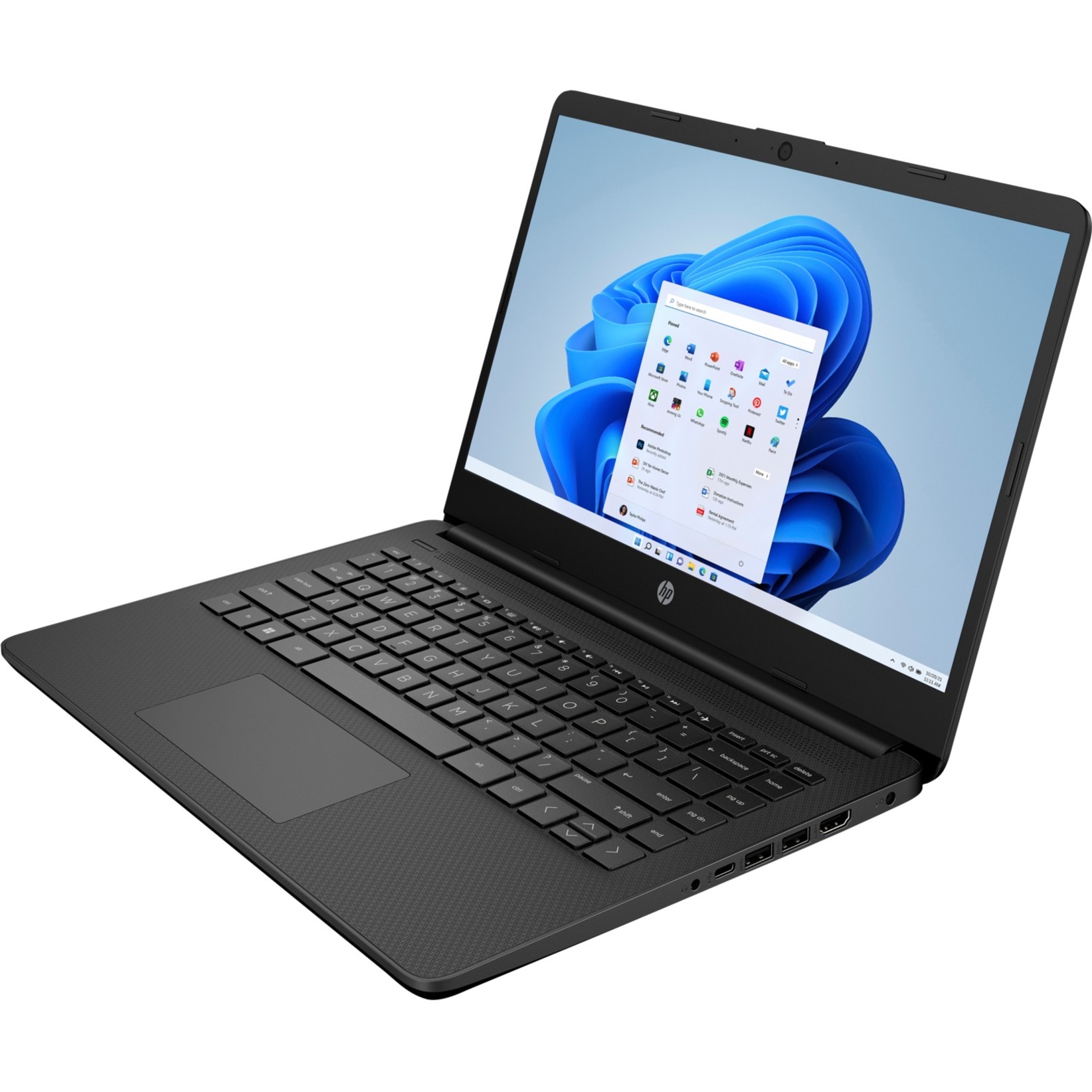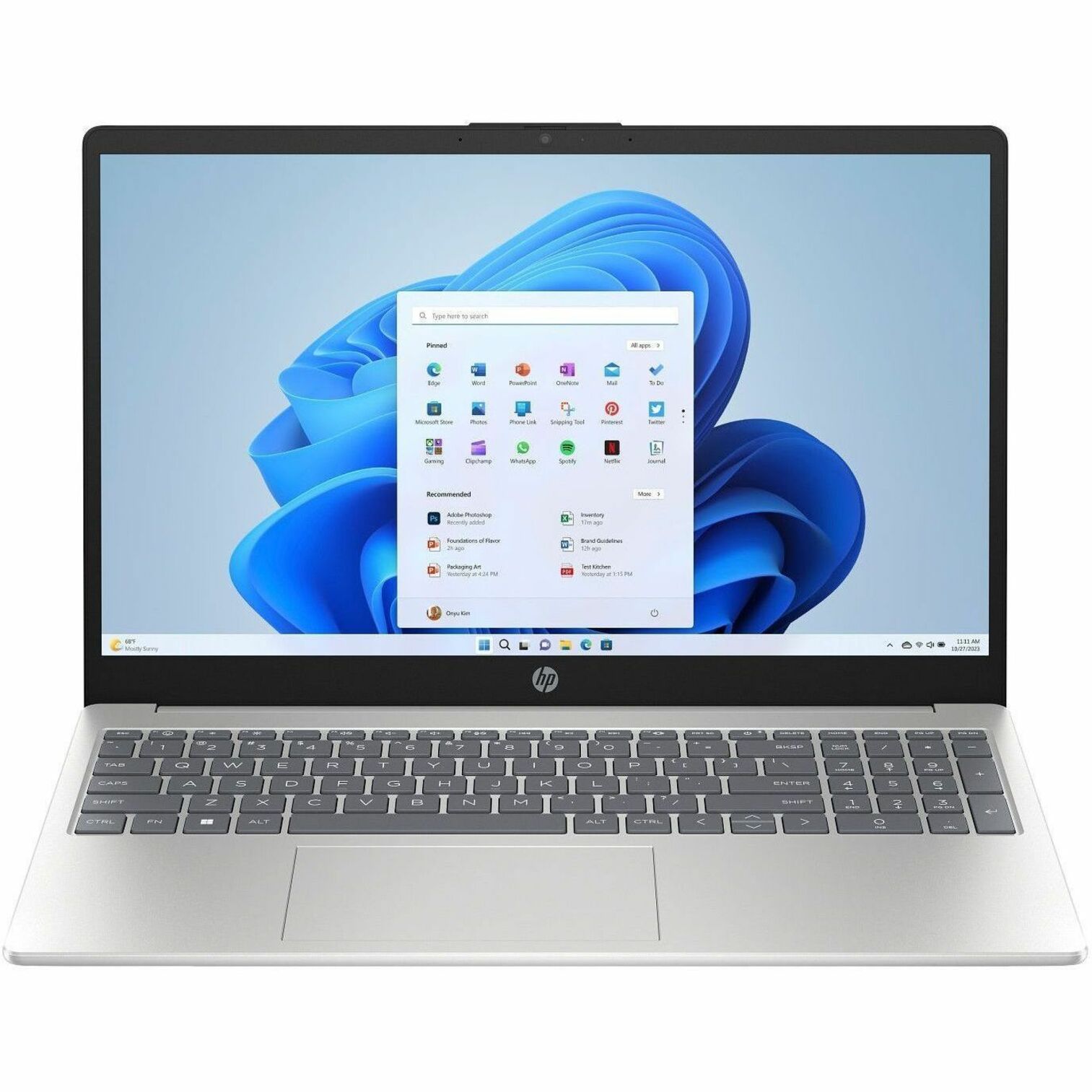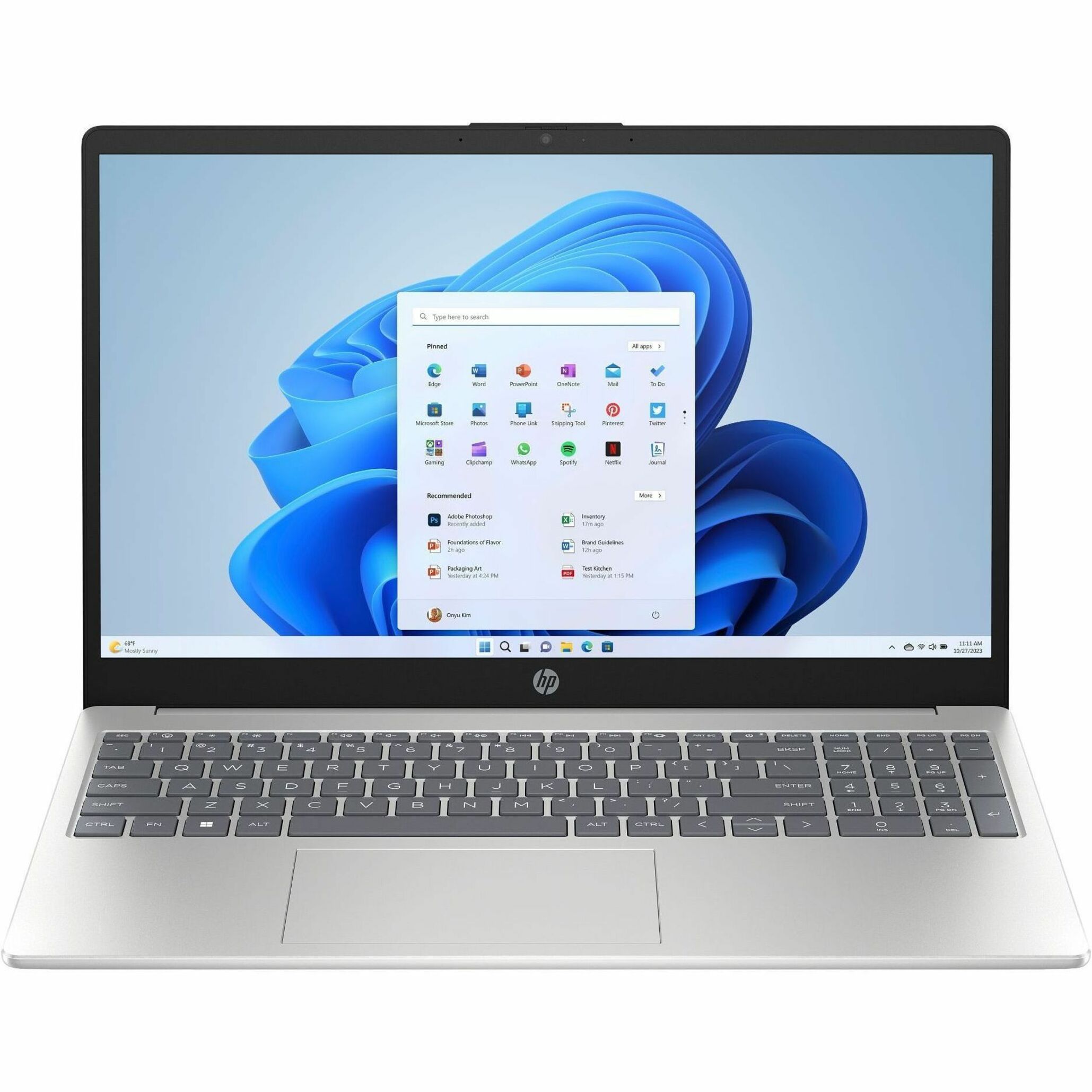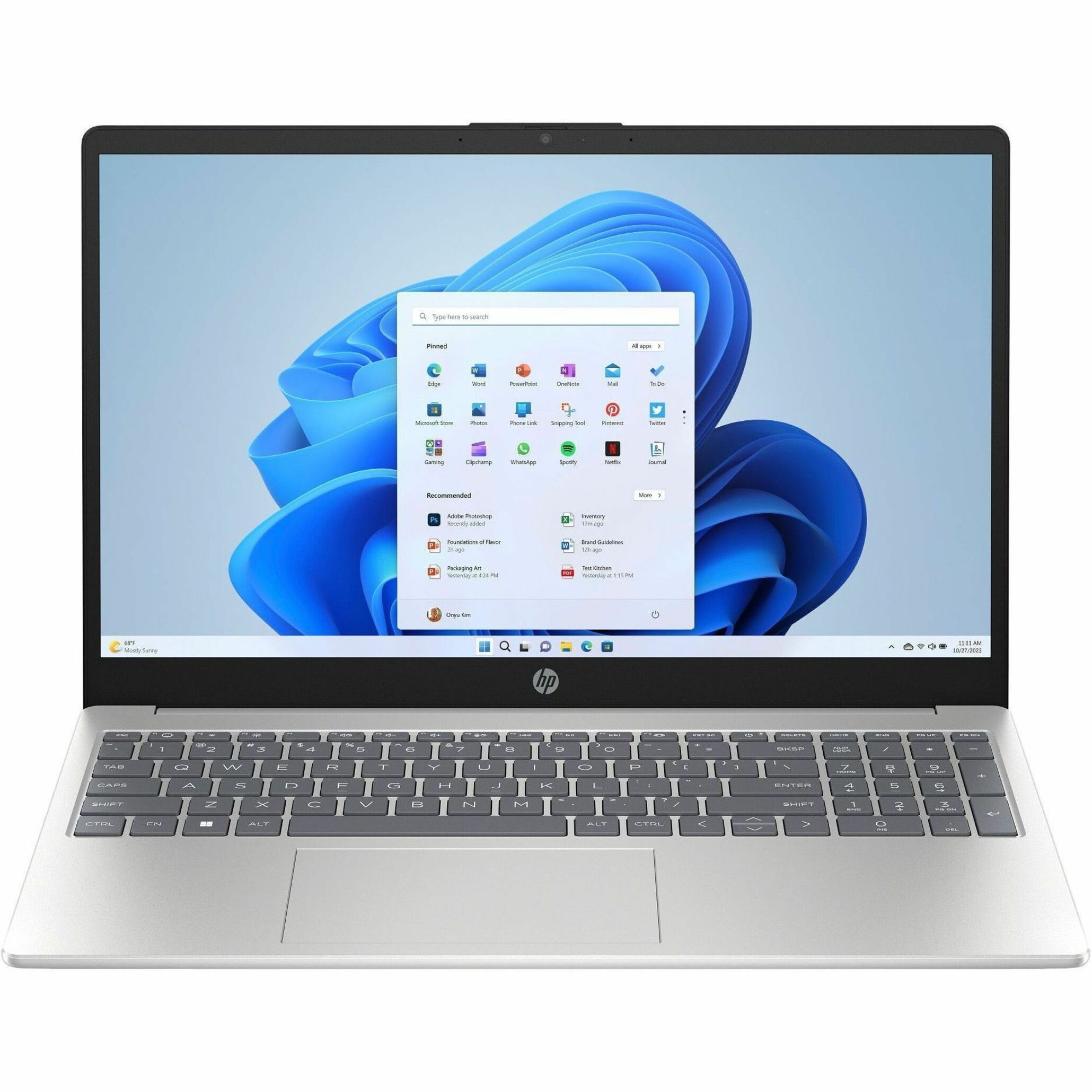
What Windows 10 IoT Enterprise LTSC 2021 actually is
Windows 10 IoT Enterprise LTSC 2021 is a specific, long-life edition of Windows built for devices that do one job for years — thin clients, medical equipment, kiosks, industrial controllers, point-of-sale terminals. "IoT Enterprise" is the embedded branch of Windows; "LTSC" stands for Long-Term Servicing Channel; and "2021" is the release baseline. Put together, it's a Windows 10 you install once and leave running, without the feature churn a general-purpose desktop goes through.
For a thin client or any fixed-function device, that stability is the whole point. You validate the image, deploy it, and it stays put.
How it differs from regular Windows 10
Standard Windows 10 and Windows 11 run on the General Availability channel: they receive feature updates that add and change functionality over time. That's fine for a knowledge worker's laptop and a problem for a device that has to behave identically for years.
LTSC 2021 is different in a few concrete ways:
- No feature updates. The OS gets security and quality fixes, but not the periodic feature changes. The device you validate today behaves the same next year.
- No consumer components. The LTSC image leaves out the consumer Store apps and other pieces a fixed-function device doesn't need, which trims both the attack surface and the update surface.
- A long servicing window — more on the dates below — so you're not forced into a disruptive OS migration mid-lifecycle.
The trade is deliberate: you give up new features to gain years of predictable, unchanging behavior. For an endpoint whose job is to broker a virtual desktop, that's exactly the trade you want.
The lifecycle difference is the headline — and it's easy to get wrong
Here's the detail that trips up a lot of buyers, and it's worth stating carefully because the names are almost identical.
According to Microsoft's published product lifecycle, Windows 10 IoT Enterprise LTSC 2021 is serviced into January 2032. The regular, non-IoT Windows 10 Enterprise LTSC 2021 has a shorter window and reaches end of servicing in January 2027. Same "LTSC 2021" label, very different support horizons — the IoT Enterprise edition carries the longer life. Always confirm the exact edition against Microsoft's current lifecycle documentation before you plan around a date, but the practical takeaway is simple: the IoT Enterprise variant is the one built to outlast a hardware refresh cycle.
That long runway is a big reason IoT Enterprise LTSC ships on thin clients — the OS shouldn't be the thing that ages out before the hardware does.
Why it comes preloaded on thin clients and fixed-function devices
You generally don't buy Windows 10 IoT Enterprise LTSC 2021 as a boxed product and install it yourself. It's an OEM-embedded license tied to the device it ships on. When you buy an HP thin client with Windows IoT, the license is bound to that hardware — it's licensed as part of the device, not as a transferable retail copy.
That's by design. Embedded editions are sold through the device makers who build and validate the image for their hardware, which is why a thin client arrives with the OS already tuned, locked down, and ready for central management. The licensing reality matters for procurement: you're buying the OS on the hardware, so the model and configuration you pick determine the OS you can get. We confirm the exact OS option per quote.
When to choose it over Windows 11 IoT Enterprise
Both Windows 10 IoT Enterprise LTSC and Windows 11 IoT Enterprise are legitimate current choices — this isn't old-versus-new. Choose based on the device's job and your validation constraints:
- Choose Windows 10 IoT Enterprise LTSC 2021 when you need the longest, most stable servicing window with zero feature churn, when you have peripherals, agents, or line-of-business software validated against Windows 10, or when a certification or accreditation regime makes any change expensive.
- Choose Windows 11 IoT Enterprise when you're standardizing new fleets on the Windows 11 baseline, want the current security architecture, and your software stack is already validated there.
Many fleets run a mix during a transition — legacy fixed-function endpoints on LTSC, new deployments on Windows 11 IoT. If you're weighing the whole thin-client decision, our HP thin client models guide covers how the OS choice interacts with model selection.
What it means for federal and education fleets
For agencies and districts, the LTSC model has real operational upsides — and a couple of things to plan for.
On the upside:
- Predictable images. No surprise feature updates means the validated baseline stays valid, which is a genuine relief for teams under change-control or accreditation requirements.
- Long horizon. A servicing window that runs years out lets you align the OS to the hardware lifecycle instead of fighting mid-cycle migrations.
- Smaller surface. The trimmed image gives security teams less to patch and less to worry about.
To plan for:
- You still have to patch. LTSC gets security updates on the normal cadence — "no feature updates" is not "no updates." Keep the monthly patch discipline.
- The license lives on the device. Because it's OEM-embedded, decide OS choice at purchase time; you're selecting it when you spec the hardware, not bolting it on later.
- Central management. Pair the fleet with HP's device-management tooling so you configure and update endpoints from one console rather than per desk.
If you're standardizing a fleet, decide the OS at the same time you pick the model, and lock both into the standard so every unit arrives identical.
Bottom line
Windows 10 IoT Enterprise LTSC 2021 is the install-it-and-leave-it edition of Windows — long-serviced (into January 2032 for the IoT Enterprise variant, per Microsoft), free of feature churn, trimmed down, and licensed on the device it ships with. For thin clients and fixed-function endpoints in government and education, that stability is usually worth more than the newest features.
Tell us the thin-client model and the OS you're targeting and we'll confirm the exact licensed configuration and price it. Request a thin client quote and note whether you need LTSC 2021 specifically or are open to Windows 11 IoT — it affects the model options.
Frequently asked questions
Is Windows 10 IoT Enterprise LTSC 2021 the same as regular Windows 10?
No. It's an embedded, long-servicing edition that receives security and quality fixes but no periodic feature updates, and it leaves out consumer components a fixed-function device doesn't need. That gives you years of predictable, unchanging behavior — ideal for a thin client, less relevant for a general knowledge-worker PC.
How long is Windows 10 IoT Enterprise LTSC 2021 supported?
Per Microsoft's published product lifecycle, the IoT Enterprise LTSC 2021 edition is serviced into January 2032. Note that the similarly named, non-IoT Windows 10 Enterprise LTSC 2021 has a shorter window and ends in January 2027 — the IoT variant carries the longer life. Confirm the exact edition against Microsoft's current documentation before planning around a date.
Can I buy Windows 10 IoT Enterprise LTSC 2021 as a boxed copy?
Generally no. It's an OEM-embedded license tied to the device it ships on, sold through the device maker that builds and validates the image. In practice you buy it on hardware such as an HP thin client, not as a transferable retail product, so you select the OS when you spec the device.
Should I pick LTSC 2021 or Windows 11 IoT Enterprise?
Choose LTSC 2021 when you need the longest, most stable servicing window, have software or peripherals validated on Windows 10, or face a certification regime where change is expensive. Choose Windows 11 IoT Enterprise when you're standardizing new fleets on the Windows 11 baseline and your stack is validated there. Many fleets run a mix during a transition.
Does "no feature updates" mean I don't have to patch it?
No. LTSC still receives security and quality updates on the normal cadence — it just doesn't get the periodic feature changes. Keep your monthly patch discipline; the stability benefit is in unchanging functionality, not in skipping security fixes.